Executive Summary & Investment Snapshot
The unit economics rely on high gross operating margins typical of poultry-based quick-service restaurants (QSRs), fluctuating between 55% and 65%. Monthly operational expenses (OpEx)—encompassing base rent, commercial utilities, cold-chain replenishment, and frontline staffing—typically settle between ₹2.5 lakh and ₹7.5 lakh. Outlets achieving steady footfall and delivery densities recover their initial capital within an estimated 10 to 18-month payback horizon.
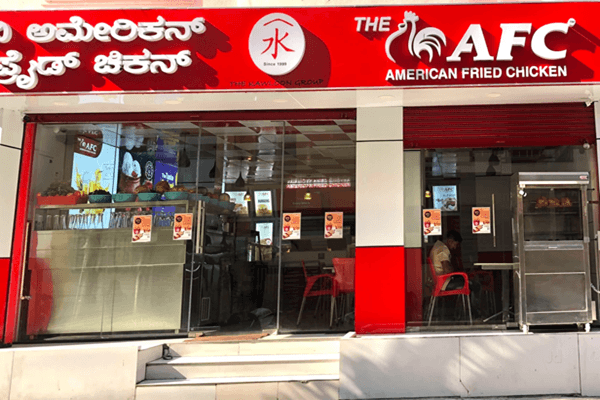
Crucial Due Diligence: Avoiding the “Franchise Fee” Trap
Prospective food entrepreneurs must exercise rigorous scrutiny before transferring brand licensing fees. India’s QSR sector has seen a proliferation of deceptive third-party consultancy portals that clone established or emerging regional fried chicken brand collateral, solicit “upfront franchise onboarding fees” ranging from ₹2 lakh to ₹5 lakh, and vanish after providing generic kitchen supplier contact lists.
Investors must differentiate genuine Franchise-Owned, Franchise-Operated (FOFO) agreements from loose distributor-wholesaler contracts or unregulated licensing tiers. Under standard trademark laws, a legitimate franchisor provides an audited Franchise Disclosure Document (FDD) or a comprehensive draft Franchise Agreement detailing operational territory rights, clear supply-chain pricing parity, and distinct GST-compliant invoicing for the core entity. If an agency demands personal account bank transfers, offers guaranteed daily returns, or insists on upfront deposits prior to in-person due diligence at an operational company-owned base outlet, treat the engagement as a potential fraud.
Capital Expenditure (CapEx) Allocation
Establishing an operational kitchen capable of pressure-frying high volumes of chicken requires specialized equipment that resists extreme thermal degradation. Standard consumer-grade deep fryers fail under peak commercial loads, leading to excessive oil absorption, inconsistent cook profiles, and safety hazards. Consequently, commercial pressure fryers, multi-tier holding warmers, and walk-in deep freezers represent the single largest hardware cost center.
Civil renovation, standardized front-of-house signage, and heavy exhaust ventilation systems demand another major budget allocation. Ducting and high-efficiency air extractors must comply with local fire department and municipal health department regulations to prevent dangerous kitchen grease accumulation.
| Expense Category | Express / Delivery (300–500 sq. ft.) | Standard Dine-In (800–1,200 sq. ft.) | Operational Notes |
|---|---|---|---|
| Franchise License Fee | ₹4,00,000 – ₹6,00,000 | ₹8,00,000 – ₹10,00,000 | Grants 3 to 5-year trademark access, onboarding, and standard operating manuals. |
| Kitchen Machinery & Fryers | ₹6,00,000 – ₹9,00,000 | ₹14,00,000 – ₹20,00,000 | Commercial open/pressure fryers, hot display cabinets, freezers, and prep tables. |
| Interiors, HVAC & Exhaust | ₹4,50,000 – ₹7,00,000 | ₹12,00,000 – ₹18,00,000 | Heavy-duty scrubbers, fire suppression systems, branding facade, and seating. |
| POS, Billing & CCTV | ₹80,000 – ₹1,20,000 | ₹1,50,000 – ₹2,50,000 | Thermal printers, multi-terminal billing POS, and regulatory security monitoring. |
| Licenses & Regulatory Approvals | ₹50,000 – ₹80,000 | ₹1,00,000 – ₹1,50,000 | FSSAI state license, GST registration, local municipal trade license, and fire NOC. |
| Initial Stock & Packaging | ₹1,50,000 – ₹2,50,000 | ₹3,00,000 – ₹4,50,000 | Premix marinades, specialty breading coatings, cooking oil, and branded boxes. |
| Working Capital Reserve | ₹2,00,000 – ₹3,00,000 | ₹5,00,000 – ₹8,50,000 | Buffer to cover the first 90 days of lease commitments, staff pay, and raw stock. |
| Total Setup Outlay | ₹19,30,000 – ₹29,50,000 | ₹44,50,000 – ₹64,50,000 | Actuals shift based on local lease deposits and state electrical load enhancement fees. |
Monthly Operating Expenses (OpEx) & Margin Dynamics
Fried chicken operations possess a favorable product-level economics baseline: raw dressed poultry costs fluctuate between ₹140 and ₹210 per kilogram at wholesale volumes, while finished fried chicken yields considerable retail markups. However, high edible oil replacement cycles, elevated commercial power usage from heavy continuous fryers, and third-party delivery aggregation commissions (ranging from 18% to 26% on platform-sourced orders) heavily impact final operational margins.
Franchisees must factor in recurring brand royalties, which are structured as either a direct revenue-share mechanism (typically 4% to 8% of monthly gross billing) or a fixed operational charge. Neglecting oil filtration protocols directly shortens frying oil life and degrades product quality, which inflates ingredient costs and leads to customer drop-off.
Similar Business Breakdowns:
Want to Open a Baba Chicken Outlet? Here’s What You’ll Need to Invest [2026]
| Cost Parameter | Monthly Expenditure Share | Financial Impact & Optimization |
|---|---|---|
| Cost of Goods Sold (COGS) | 35% – 42% | Encompasses poultry, marinades, breading, shortening/refined oil, and takeaway packaging. |
| Store Lease / Rent | ₹40,000 – ₹2,50,000 | Should remain below 12% to 15% of gross revenues to preserve baseline net margins. |
| Labor & Staff Wages | ₹70,000 – ₹2,20,000 | Covers unit manager, fry cooks, cashier/counter staff, and utility/cleaning hands. |
| Commercial Utilities | ₹30,000 – ₹85,000 | Includes high-draw three-phase electricity for commercial cold storage and fryers. |
| Brand Royalty / Tech Surcharge | 4% – 8% of Gross Sales | Ongoing corporate support, system maintenance, and central menu development. |
| Net Profit Expectation | 12% – 22% | Yields roughly ₹75,000 to ₹4,50,000 in monthly net earnings across stabilized operations. |
Practical Operational Bottlenecks
While the product profile generates steady repeat orders, profitability requires managing several daily operational risks. High kitchen turnover remains a primary bottleneck in fried chicken kitchens: operating high-temperature pressure fryers demands careful adherence to safety procedures and strict cooking timers. Inadequate training leads to inconsistent marination absorption, serving undercooked poultry near bone joints, or over-frying outer breading.
Additionally, localized supply disruptions present cash-flow risks. Sudden price spikes in poultry or edible oils directly erode operating margins unless an outlet has secured pre-negotiated central supply rates from certified poultry processors. Maintaining an emergency capital cushion ensures store owners weather periodic wholesale poultry price spikes without abruptly altering consumer menu prices.
Frequently Asked Questions for Franchise Investors
What is the total turnkey cost to set up an American Friend Chicken franchise in 2026?
The total capital requirement ranges from ₹18 lakh to ₹65 lakh. Compact takeaway locations establish operations between ₹18 lakh and ₹28 lakh, while full-scale dine-in restaurants on major high streets scale between ₹45 lakh and ₹65 lakh, factoring in kitchen hardware, exhaust ducting, and store security deposits.
What is the typical royalty rate and how is it billed?
Franchisees should anticipate ongoing royalty fees of 4% to 8% calculated against monthly gross billings, or a pre-agreed fixed monthly brand maintenance charge. This fee sustains corporate oversight, POS connectivity, and regional promotional campaigns.
How does an investor verify an authentic franchise offering?
Legitimate franchisors operate through structured corporate entities, issue verifiable GST invoices for brand onboarding fees, and provide a formal Franchise Agreement detailing territory protection rights. Investors should inspect existing operational locations in person and avoid transferring capital to unverified third-party consultants or individual bank accounts.
What net operating margins can an efficient franchisee realistically maintain?
After factoring in raw material costs (COGS at 35%–42%), location lease, staff payroll, power utilities, platform delivery charges, and royalties, typical net operational profits average between 12% and 22% of total top-line billing.