An Aminia restaurant franchise in India costs ₹1.2 crore–₹4.5 crore in 2026, depending on city location, restaurant format, seating capacity, real estate cost, and interior standards. The total investment includes franchise fee, kitchen equipment, interior design, furniture, licenses, initial raw material stock, staff recruitment, and working capital. Aminia follows a premium casual-dining model focused on Mughlai and Kolkata-style cuisine, which requires larger space and higher setup quality.
Monthly operating expenses range ₹10 lakh–₹30 lakh, covering rent, salaries, food ingredients, utilities, and marketing. Well-located Aminia outlets generally reach break-even within 24–36 months, supported by strong brand loyalty, repeat family dining, and high average order value. Aminia franchise cost in India ranges ₹1.2–₹4.5 crore in 2026. Learn franchise fee, setup cost, space, rent, staff salaries, monthly expenses, profit margins, and break-even timeline.
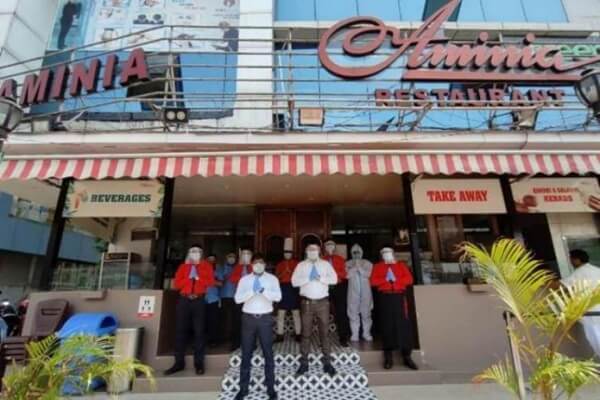
Overview of Aminia Restaurant Brand in India
Aminia is a heritage restaurant brand originating from Kolkata, widely known for authentic Mughlai cuisine, biryani, kebabs, curries, and rich North Indian dishes. The brand carries strong emotional recall among families and food enthusiasts, positioning itself in the premium casual dining segment. Aminia focuses on dine-in experiences rather than quick service, making ambience, service quality, and food consistency critical. Franchise partners are expected to maintain strict quality standards, recipe integrity, and customer experience benchmarks.
• Aminia operates primarily as a full-service restaurant brand emphasizing traditional Mughlai flavors and family dining
• The brand attracts high repeat customers due to legacy value, consistent taste, and premium dining atmosphere
Total Investment Required for Aminia Franchise in India
Opening an Aminia restaurant requires a significantly higher investment than most quick-service restaurant brands because the business follows a full-service dining model with spacious seating, premium interiors, and a large commercial kitchen. The final investment depends on factors such as the city, property costs, restaurant size, and overall store format.
Based on industry estimates, the total investment required to start an Aminia franchise generally ranges from ₹1.2 crore to ₹4.5 crore, including the franchise fee, restaurant interiors, kitchen equipment, statutory licenses, furniture, and working capital. Restaurants located in metropolitan cities usually require investment toward the higher end of this range because of expensive commercial rentals, premium décor standards, and larger seating capacities designed to accommodate higher customer volumes.
Franchise Fee and Licensing Cost
The franchise fee provides the right to operate an Aminia restaurant under the brand’s established name while benefiting from its recipes, operational systems, and business support. This investment generally includes brand licensing, access to standardized recipes, employee training, operating manuals, and assistance during the restaurant launch.
Based on current industry estimates, the franchise fee typically ranges from ₹30 lakh to ₹60 lakh, depending on the city, restaurant size, market potential, and the exclusivity offered under the agreement. Premium markets and larger restaurant formats may require higher franchise fees because of their stronger revenue potential and greater brand visibility.
Restaurant Format, Space Requirement, and Layout
Aminia restaurants are designed as full-service dining establishments that focus on providing a comfortable experience for families and groups. Most outlets require 2,500 to 5,000 square feet of space to accommodate the dining area, commercial kitchen, storage rooms, washrooms, and staff facilities. In busy metropolitan markets, flagship restaurants may exceed 6,000 square feet to support higher customer traffic and private dining sections.
The overall investment of ₹1.2 crore to ₹4.5 crore is directly influenced by the restaurant size because larger outlets require additional construction, furnishings, kitchen equipment, and employee facilities. Efficient layout planning also helps improve service speed while maximizing seating capacity and operational efficiency.
Interior Design, Furniture, and Ambience Cost
The dining experience at Aminia is built around elegant interiors inspired by the brand’s heritage and Mughlai culinary tradition. Restaurants are expected to maintain consistent branding, premium seating, attractive lighting, and a welcoming ambience that encourages family dining.
The investment in interior design, furniture, and ambience generally ranges from ₹40 lakh to ₹1.2 crore, depending on the size of the restaurant, quality of materials, and complexity of the design. This budget typically includes dining furniture, flooring, decorative wall finishes, custom lighting, ceilings, partitions, artwork, and acoustic treatments. A thoughtfully designed restaurant enhances customer satisfaction while strengthening the overall brand image.
Kitchen Equipment and Back-End Infrastructure Cost
Preparing authentic Mughlai cuisine requires a large commercial kitchen equipped with specialized cooking systems capable of handling high production volumes while maintaining consistent food quality. The investment in kitchen equipment generally ranges from ₹35 lakh to ₹90 lakh, covering commercial cooking ranges, tandoors, refrigeration units, exhaust systems, preparation stations, storage facilities, and food safety equipment.
Specialized equipment for biryani preparation, kebabs, curries, and bulk cooking forms a significant portion of the overall kitchen budget. Strong ventilation systems, fire safety infrastructure, and hygienic food preparation areas are equally important because they help ensure smooth daily operations and regulatory compliance.
Licenses, Compliance, and Legal Expenses
Opening an Aminia restaurant requires several statutory approvals before commercial operations can begin. The cost of licenses, compliance, and legal documentation generally ranges from ₹3 lakh to ₹8 lakh, depending on the city and applicable local regulations. This investment usually covers FSSAI registration, trade licenses, GST registration, fire safety approvals, municipal permits, and other mandatory business registrations.
If the restaurant plans to serve alcoholic beverages, obtaining a liquor license can significantly increase the overall investment, depending on state government regulations. Entrepreneurs should also budget for legal documentation, professional consultancy, and application processing fees during the setup phase.
Initial Raw Material, Inventory, and Opening Stock
Launching a full-service restaurant requires a substantial investment in opening inventory to ensure uninterrupted operations during the initial weeks of business. The cost of raw materials and opening inventory generally ranges from ₹6 lakh to ₹15 lakh, depending on the size of the restaurant and the number of menu items offered.
This investment includes premium-quality meat, rice, spices, cooking oils, dairy products, beverages, condiments, fresh vegetables, packaging materials, and other kitchen essentials. Purchasing inventory in bulk before launch helps maintain stable supply while reducing procurement challenges during the early stages of operation.
Location Selection and Monthly Rental Cost
Choosing the right location is one of the most important decisions because Aminia restaurants rely heavily on family dining, destination visits, and weekend customer traffic. Depending on the city, commercial locality, and restaurant size, monthly rent generally ranges from ₹3 lakh to ₹12 lakh. Premium high-street locations, upscale residential neighborhoods, and mixed-use commercial developments often provide the best opportunities for attracting consistent customer traffic.
Shopping malls also offer good visibility and steady footfall, although they may involve revenue-sharing agreements in addition to rental costs. Since rent is one of the largest recurring expenses, selecting a location with strong long-term demand is essential for maximizing profitability.
Staffing Structure and Salary Expenses
Operating a premium restaurant requires a skilled workforce capable of delivering high-quality food and excellent customer service. Depending on the restaurant’s size and staffing requirements, monthly employee salary expenses generally range from ₹4 lakh to ₹12 lakh.
Staff typically include executive chefs, tandoor specialists, kitchen assistants, service personnel, stewards, cashiers, cleaners, supervisors, and restaurant managers. Continuous employee training is important to maintain recipe consistency, food quality, and customer satisfaction. Investing in experienced staff helps strengthen the restaurant’s reputation while improving operational efficiency and repeat business.
Utilities, Maintenance, and Operational Overheads
Running a large full-service restaurant involves substantial recurring expenses related to electricity, gas, air conditioning, kitchen equipment, and routine maintenance. Monthly utility and operational costs generally range from ₹1.2 lakh to ₹3.5 lakh, depending on the restaurant size and daily customer volume.
Regular servicing of commercial kitchen equipment, pest control, deep cleaning, waste disposal, and hygiene management also contribute to operating expenses. Maintaining proper sanitation standards and ensuring equipment functions efficiently are essential for controlling long-term maintenance costs while complying with food safety regulations.
Marketing, Branding, and Promotional Expenses
Although Aminia already enjoys strong brand recognition in several markets, local marketing remains essential when entering a new city or expanding into a new neighborhood. Launch marketing expenses generally range from ₹2 lakh to ₹8 lakh, covering outdoor advertising, digital campaigns, opening events, promotional offers, and local brand awareness initiatives.
After launch, restaurants typically spend ₹40,000 to ₹1.5 lakh per month on ongoing marketing activities, including social media advertising, food delivery platform promotions, influencer collaborations, and seasonal campaigns. Effective marketing helps attract new customers while strengthening the restaurant’s presence in a competitive market.
Royalty Fees and Ongoing Brand Contributions
In addition to the initial investment, franchisees are generally required to pay ongoing fees that support brand development and operational improvements. Royalty charges typically range from 5% to 8% of monthly gross revenue, depending on the terms of the franchise agreement.
Some agreements may also include additional contributions toward national marketing campaigns or brand development initiatives. These ongoing payments help fund menu innovation, staff training, operational audits, and promotional activities while ensuring consistent quality across all Aminia restaurants.
Revenue Potential of an Aminia Restaurant
The revenue generated by an Aminia restaurant depends on factors such as seating capacity, average customer spending, table turnover, menu pricing, and local demand for Mughlai cuisine. Based on industry estimates, monthly gross revenue generally ranges from ₹35 lakh to ₹1.2 crore, depending on the restaurant’s size and location.
Weekends, festive seasons, family celebrations, and corporate gatherings often contribute significantly to sales. In addition to dine-in customers, takeaway services and food delivery platforms continue to increase revenue by expanding the restaurant’s reach beyond its immediate location.
Profit Margins and Net Earnings
Profitability depends on efficient cost management, portion control, inventory planning, staff productivity, and effective pricing strategies. Aminia restaurants generally achieve gross profit margins ranging from 60% to 68%, reflecting the premium positioning of the brand and its cuisine.
After accounting for rent, salaries, raw material costs, utilities, and other operating expenses, net profit margins generally range from 12% to 20%, allowing mature outlets to generate approximately ₹4 lakh to ₹20 lakh in monthly profit. Careful management of food costs and operational efficiency plays a crucial role in achieving sustainable long-term earnings.
Break-Even Period and Return on Investment
Because the total investment generally ranges from ₹1.2 crore to ₹4.5 crore, recovering the initial capital requires patience and consistent business performance. Most Aminia restaurants achieve break-even within approximately 24 to 36 months, depending on their location, customer demand, and operational efficiency.
Restaurants in metropolitan cities may take slightly longer to recover their investment because of higher rental and operating costs, but they also have greater long-term revenue potential. The brand’s established reputation and loyal customer base help support stable returns over time.
City-Wise Cost and Performance Variation
Investment requirements and business performance vary significantly across different cities because of differences in commercial property prices, labor costs, and consumer spending patterns. Tier-1 cities generally require 30% to 50% higher investment than smaller markets because of premium locations and larger operating expenses, but they also generate higher average customer bills and stronger revenue.
Tier-2 cities offer a balanced combination of moderate investment and growing demand for family dining experiences. Emerging cities often require additional marketing efforts to build brand awareness before achieving consistent customer traffic.
Risks and Operational Challenges
Operating a premium full-service restaurant involves several challenges that require experienced management and careful financial planning. High fixed expenses such as rent, employee salaries, and utilities can place pressure on profitability during periods of lower customer demand.
Dependence on experienced chefs, staff retention issues, and fluctuations in meat and raw material prices can also affect operational performance. Since the startup investment ranges from ₹1.2 crore to ₹4.5 crore, investors should prepare comprehensive financial projections and maintain sufficient working capital to manage unforeseen business challenges effectively.
Ideal Franchise Partner Profile
The Aminia franchise is best suited for entrepreneurs with hospitality experience or investors who have access to a capable restaurant management team. Individuals with an investment capacity of ₹1.5 crore or more and a long-term business outlook are generally better positioned to establish and operate the restaurant successfully.
The business is particularly suitable for owner-managed operations, family-run enterprises, and hospitality groups seeking to expand into the premium casual dining segment. Active involvement in daily operations and a strong focus on customer service can significantly improve long-term business performance.
Is Aminia Franchise Worth It in 2026?
For entrepreneurs looking to invest in a well-established restaurant brand with a strong legacy in Mughlai cuisine, Aminia presents an attractive long-term opportunity. Although the estimated investment ranges from ₹1.2 crore to ₹4.5 crore, the brand benefits from loyal customers, strong demand for authentic biryani and Mughlai dishes, and increasing opportunities through dine-in, takeaway, and food delivery services.
Investors who choose a prime location, maintain excellent food quality, and manage operating costs efficiently have the potential to build a profitable restaurant business with sustainable long-term growth.
FAQ about Aminia Franchise Cost
Q. How much does an Aminia franchise cost in India in 2026?
A. The total investment ranges ₹1.2 crore–₹4.5 crore, depending on location, restaurant size, and setup quality.
Q. Is Aminia franchise profitable?
A. Yes, well-managed outlets typically earn 12%–20% net profit margins with strong family dining demand.
Q. What is the franchise fee for Aminia?
A. Franchise fees generally range ₹30 lakh–₹60 lakh, based on city and agreement terms.
Q. How long does it take to break even?
A. Most Aminia restaurants break even within 24–36 months, depending on revenue and cost control.
Q. What space is required to open an Aminia restaurant?
A. Most outlets require 2,500–5,000 sq.ft, with larger flagship formats needing more space.