An Amritsari Kulcha franchise in India costs ₹10,00,000–₹35,00,000 in 2026, depending on outlet format, city tier, kitchen size, tandoor setup, seating capacity, and working capital needs. The franchise or brand authorization fee generally ranges ₹2,00,000–₹5,00,000, while kitchen equipment, tandoor installation, exhaust systems, counters, and interiors require ₹4,00,000–₹12,00,000. Initial raw material and inventory covering flour, paneer, potatoes, butter, spices, curd, and disposables costs ₹1,50,000–₹4,00,000.
Monthly operating expenses including rent, staff salaries, gas, utilities, and local marketing range ₹80,000–₹3,00,000. Most Amritsari Kulcha outlets achieve profitability within 6–14 months, especially in food streets, office hubs, and high-footfall urban areas. Amritsari Kulcha franchise cost in India ranges ₹10 lakh–₹35 lakh in 2026. Learn franchise fee, kitchen setup, rent, staff cost, profits, and total investment.
Amritsari Kulcha Franchise Cost in India (2026): Complete Investment Breakdown
How Much Does an Amritsari Kulcha Franchise Cost?
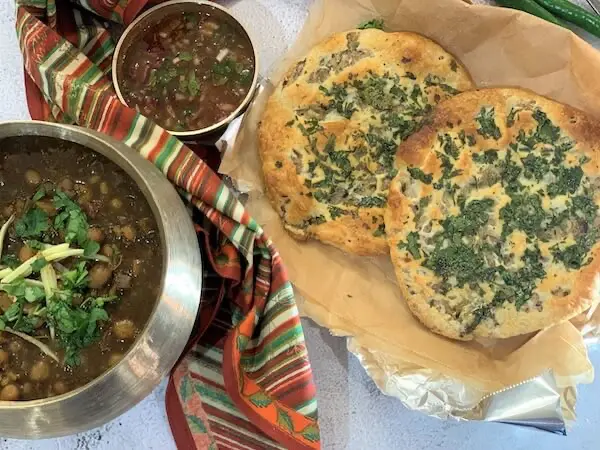
Amritsari Kulcha has become one of the most popular North Indian food concepts, attracting customers with its crispy stuffed kulchas served alongside spicy chole, butter, pickles, and traditional accompaniments. The business enjoys steady demand throughout the year, especially during lunch and dinner hours, making it an attractive opportunity for entrepreneurs interested in the food and beverage industry.
The investment required depends on the outlet format, whether it is a takeaway counter, food court kiosk, casual dine-in restaurant, or a high-street outlet. Costs also vary based on the city, shop size, interiors, and kitchen infrastructure. Based on current market estimates, the total investment to start an Amritsari Kulcha franchise generally ranges from ₹10 lakh to ₹35 lakh.
This estimate usually includes the franchise fee, kitchen setup, interiors, equipment, opening inventory, branding, and initial working capital.
Franchise Fee and Brand Authorization
The franchise fee gives business owners the right to operate under an established Amritsari Kulcha brand while following its recipes, cooking methods, and operational standards. In most cases, the estimated franchise or brand authorization fee between ₹2 lakh and ₹5 lakh, although some regional brands may charge anywhere from ₹1.5 lakh to ₹6 lakh, depending on the brand’s popularity, support system, and location.
This fee generally covers brand licensing, recipe manuals, staff training, operational guidance, launch assistance, and the use of the company’s branding materials. Franchise agreements commonly remain valid for three to five years, with renewal options available according to the company’s policies. Some brands also charge an ongoing royalty of 4% to 8% of monthly sales, while others may offer a fixed licensing model with little or no royalty.
Kitchen Setup and Tandoor Equipment
Preparing authentic Amritsari Kulchas requires specialized cooking equipment that can consistently produce the traditional taste, and texture customers expect. Since kulchas are cooked inside high-temperature tandoors, the kitchen must be designed for both efficiency and safety.
The investment for kitchen equipment generally ranges from ₹4 lakh to ₹12 lakh. This typically includes commercial clay or gas tandoors, dough kneading machines, preparation tables, refrigerators, storage racks, stainless steel workstations, exhaust systems, and serving counters. Business owners should also budget approximately ₹25,000 to ₹70,000 for fire safety equipment, proper ventilation systems, FSSAI registration, and hygiene compliance.
Store Interiors and Branding
For dine-in outlets, a comfortable dining environment plays an important role in attracting families and repeat customers. Even takeaway outlets benefit from attractive branding and well-designed customer service counters.
The estimated investment for interiors generally ranges between ₹2 lakh and ₹8 lakh, depending on the outlet size and design quality. Furniture such as tables, chairs, waiting benches, menu boards, lighting fixtures, and decorative elements may require an additional ₹1.5 lakh to ₹5 lakh. Exterior signboards, wall graphics, branding panels, and other promotional displays generally cost ₹50,000 to ₹2 lakh.
Initial Raw Material Investment
A successful kulcha outlet depends on maintaining fresh ingredients every day. The opening inventory usually includes refined flour, potatoes, paneer, butter, curd, chickpeas, spices, cooking oil, vegetables, packaging materials, beverages, and cleaning supplies.
The estimated cost for the initial stock generally ranges from ₹1.5 lakh to ₹4 lakh, depending on the menu variety and expected customer volume. Purchasing ingredients in bulk from reliable suppliers can help reduce food costs while maintaining consistent product quality.
Shop Rent and Location Costs
Location plays a major role in determining both investment and long-term profitability. Amritsari Kulcha outlets generally perform well in busy food streets, shopping areas, commercial markets, residential neighborhoods, office districts, and locations close to colleges.
Most outlets occupy 300 to 1,200 square feet, depending on whether the business focuses on takeaway or dine-in service. Monthly rent is generally estimated between ₹20,000 and ₹1.50 lakh, depending on the city and the visibility of the location. Metro cities usually involve higher rental expenses but often generate stronger customer traffic, while Tier-2 cities frequently offer an attractive balance between lower costs and healthy demand.
Employee Salary Costs
A kulcha restaurant requires experienced kitchen staff who can efficiently manage tandoor operations while maintaining consistent food quality during busy meal periods. Additional employees are needed for food preparation, customer service, billing, and housekeeping.
Monthly salary expenses generally range between ₹40,000 and ₹1.50 lakh, depending on the outlet size and number of employees. Experienced tandoor chefs typically earn ₹18,000 to ₹30,000 per month, kitchen assistants usually receive ₹10,000 to ₹15,000, while billing and counter staff generally earn ₹12,000 to ₹18,000. Owner-managed businesses can often reduce labour costs and improve profitability.
Utilities and Operating Expenses
Daily operating expenses include electricity, commercial cooking gas, cleaning materials, equipment servicing, and routine maintenance. Since tandoors consume significant amounts of fuel, gas expenses form an important part of the monthly budget.
Electricity expenses generally range between ₹3,000 and ₹15,000 each month, while commercial LPG or piped gas costs are estimated at ₹8,000 to ₹35,000 depending on production volume. Routine maintenance, pest control, and cleaning supplies may add another ₹2,000 to ₹8,000 per month.
Marketing and Customer Acquisition
Strong local marketing can help a new outlet build awareness quickly after launch. Most food businesses combine offline advertising with online food delivery platforms to maximize customer reach.
Marketing expenses generally range from ₹5,000 to ₹40,000, depending on the promotional strategy. Grand opening offers, combo meals, digital advertisements, local banners, social media campaigns, and participation on food delivery platforms can significantly increase order volumes, although delivery aggregators usually charge commission on each order.
Royalty and Ongoing Charges
Many established Amritsari Kulcha brands charge an ongoing royalty for continued operational support, brand development, and menu improvements.
Royalty fees generally between 4% and 8% of monthly revenue, although some franchise agreements instead charge a fixed monthly support fee. These charges usually help cover ongoing training, operational audits, menu updates, procurement assistance, and continued business support.
Profit Potential
Amritsari Kulcha outlets often benefit from relatively low food costs and strong customer demand throughout the year. Popular menu items such as stuffed kulchas, chole, lassi, and beverages generally provide healthy margins while encouraging repeat business.
Many outlets achieve gross profit margins of approximately 50% to 65%. Estimated monthly net profits range between ₹60,000 and ₹3.50 lakh, depending on customer traffic, menu pricing, and operating efficiency. Under favourable business conditions, many outlets recover their investment within 6 to 14 months, particularly in locations with consistently high footfall.
Investment Differences Across Cities
The total investment varies according to the city where the outlet is established. Tier-1 cities generally require higher investment because of increased rental costs and employee salaries but usually provide access to larger customer bases.
Tier-2 cities often offer the best combination of moderate investment and strong profitability, while Tier-3 cities are well suited for compact takeaway or kiosk-based business models that require lower startup costs.
Estimated Total Investment
Starting an Amritsari Kulcha franchise is considered a medium-investment food business with the potential for steady daily sales. Based on current estimates, entrepreneurs should expect a total investment of approximately ₹10 lakh to ₹35 lakh, while annual operating expenses may range between ₹9 lakh and ₹36 lakh, depending on the size of the outlet, staffing, rent, and overall scale of operations. Businesses located in busy commercial areas with consistent customer traffic often experience stronger sales during evenings, weekends, and festive seasons.