Amrutam Chai franchise cost in India in 2026 ranges between ₹6 lakh and ₹15 lakh, making it one of the most affordable tea café franchise opportunities in the country. This investment covers the franchise fee, kiosk or café setup, equipment, initial raw materials, branding, and basic working capital. Small kiosk formats in tier-2 and tier-3 cities can start at around ₹6–₹8 lakh, while larger café outlets in metro or high-footfall locations may require ₹12–₹15 lakh.
Monthly operating costs stay low, and most outlets achieve break-even within 6–12 months due to high margins on tea products, repeat customers, and strong daily demand. Amrutam Chai franchise cost in India 2026 ranges ₹6–₹15 lakh. Learn setup cost, franchise fee, space needs, monthly expenses, profit margins, revenue potential, break-even period, and business suitability.
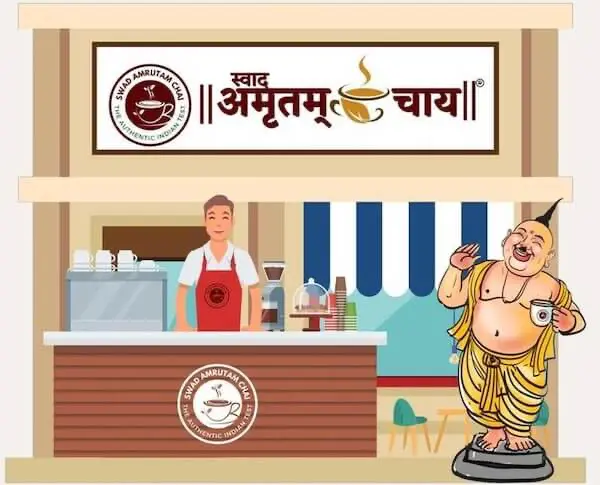
Amrutam Chai Franchise Cost in India (2026): Complete Investment Guide
About the Amrutam Chai Franchise
Amrutam Chai operates in India’s rapidly expanding tea café market, serving freshly brewed tea along with snacks in a quick-service format. The brand focuses on affordable pricing, consistent quality, and fast service, making it popular among office workers, college students, travellers, and daily commuters who enjoy multiple cups of tea throughout the day.
Its business model is designed to keep startup costs relatively low while maintaining standardized recipes and smooth day-to-day operations. Most outlets are compact, require limited manpower, and are strategically located in busy areas such as markets, commercial complexes, transport hubs, educational institutions, and highways where customer footfall remains high throughout the day.
Total Investment Required
One of the biggest advantages of an Amrutam Chai franchise is its comparatively affordable startup cost. The overall investment depends on factors such as the outlet format, shop size, city, interior design, and equipment required. Based on current market estimates, the total investment generally ranges from ₹6 lakh to ₹15 lakh.
This estimate usually includes the franchise fee, outlet interiors, kitchen equipment, branding, opening inventory, licenses, and working capital. A compact kiosk requires less investment, while a café with seating and a larger menu naturally involves a higher budget.
Franchise Fee
The franchise fee gives entrepreneurs the right to operate under the Amrutam Chai brand while using its recipes, operating procedures, branding, and business systems. In most cases, the estimated franchise fee ranges between ₹1.5 lakh and ₹4 lakh, depending on the outlet format and location. This amount generally covers initial staff training, operational guidance, branding support, and assistance during the launch of the outlet.
Outlet Formats and Space Requirement
Amrutam Chai offers multiple outlet formats to suit different investment levels and business locations. Choosing the right format can significantly influence both startup costs and long-term revenue.
A kiosk model generally requires 80 to 150 square feet and works well in busy markets, metro stations, office complexes, and roadside locations where takeaway orders dominate. A small café format usually requires 200 to 400 square feet, providing limited seating and allowing customers to spend more time at the outlet, which can increase the average order value.
Premium café models located on highways or in large commercial areas may require 400 to 600 square feet to accommodate a broader menu and additional seating.
Interior Setup and Branding Cost
The brand follows a standardized interior design that helps customers recognize the outlet while keeping construction costs under control. Most stores feature practical layouts designed for quick customer service rather than elaborate décor.
The estimated cost for interiors and branding generally ranges from ₹1.5 lakh to ₹4.5 lakh, depending on the size of the outlet. This investment typically includes service counters, display shelves, menu boards, branded signboards, lighting, wall graphics, and basic furniture where seating is available.
Equipment and Machinery Cost
Tea cafés require comparatively simple equipment, which helps reduce the overall startup investment. Standardized machinery also ensures that every outlet maintains consistent taste and preparation quality.
The estimated investment for equipment generally ranges between ₹1 lakh and ₹2.5 lakh. This typically includes commercial tea boilers, gas burners, refrigerators, stainless steel preparation tables, storage units, utensils, and beverage preparation tools. Many outlets also install POS systems and billing software to simplify sales tracking and inventory management.
Initial Inventory Cost
Opening inventory generally includes tea leaves, milk, sugar, spices, flavouring ingredients, disposable cups, lids, tissue paper, packaging materials, and cleaning supplies required for daily operations.
The estimated cost of the initial inventory generally ranges from ₹60,000 to ₹1.5 lakh, depending on the size of the outlet and expected customer traffic. Since tea products are sold throughout the day, inventory turnover is usually fast, helping reduce storage requirements and product wastage.
Licenses and Business Compliance
Before starting operations, franchise owners must obtain the necessary approvals required for running a food business. These generally include food safety registration and local business permits.
The estimated cost for licenses and compliance generally ranges between ₹25,000 and ₹75,000, covering FSSAI registration, trade licenses, municipal approvals, and other statutory requirements. Actual costs may vary depending on local regulations and the state where the outlet is established.
Shop Rent and Location Costs
Location is one of the most important factors affecting the success of any tea café. Amrutam Chai outlets perform best in busy commercial areas with regular pedestrian traffic and strong repeat customer potential.
Monthly rent generally ranges from ₹10,000 to ₹80,000, depending on the city, locality, and shop size. Outlets located near office buildings, colleges, hospitals, transport hubs, and highways often generate stronger daily sales despite higher rental costs.
Staff Salary Expenses
The business model is intentionally simple, allowing most outlets to operate with a small team. A kiosk can often be managed by one or two employees, while larger café formats require additional staff for customer service and food preparation.
Monthly salary expenses are generally estimated between ₹25,000 and ₹70,000, depending on the outlet size and local wage levels. Owner-managed outlets often enjoy lower operating costs and better profitability because labour expenses remain under control.
Monthly Operating Expenses
Compared with many restaurant franchises, Amrutam Chai has relatively low recurring expenses because its menu requires limited cooking equipment and refrigeration.
Overall monthly operating costs generally range from ₹40,000 to ₹1.2 lakh, including rent, employee salaries, electricity, cooking gas, consumables, and routine maintenance. Utility expenses remain moderate due to the simple kitchen setup and efficient operating model.
Marketing and Customer Promotion
Although tea is a high-frequency purchase that naturally attracts repeat customers, local promotion plays an important role in building awareness after launch.
Initial marketing expenses generally range from ₹20,000 to ₹60,000, covering grand opening campaigns, signboards, promotional materials, and introductory offers. After launch, many franchise owners spend ₹5,000 to ₹20,000 per month on local advertising, social media promotions, discount campaigns, and digital marketing.
Royalty and Ongoing Charges
Most Amrutam Chai franchise models follow a relatively simple royalty structure designed to keep ongoing business costs manageable.
Royalty charges generally range between 3% and 6% of monthly sales, depending on the franchise agreement. Some business models may instead charge a fixed monthly royalty or support fee rather than a percentage of revenue.
Revenue Potential
Tea remains one of the most frequently consumed beverages in India, allowing successful outlets to generate steady daily sales throughout the year. Locations near offices, colleges, and highways often experience particularly strong customer traffic.
Estimated monthly gross revenue generally ranges between ₹1.8 lakh and ₹6 lakh, depending on footfall, menu pricing, and operating hours. Busy commercial locations often outperform purely residential neighbourhoods because of higher customer turnover.
Profit Margin and Monthly Earnings
Tea-based businesses generally enjoy healthy gross margins because raw material costs are relatively low while customer demand remains consistent.
Many outlets achieve gross profit margins of approximately 55% to 70%, while estimated net profit margins generally range from 20% to 35%. Under favourable operating conditions, this can translate into an estimated monthly net profit of ₹35,000 to ₹1.8 lakh, depending on sales volume and expense management.
Break-Even Period
Because the startup investment is relatively modest and tea enjoys steady repeat demand, many Amrutam Chai outlets recover their investment faster than larger restaurant businesses.
The estimated break-even period generally ranges between 6 and 12 months. Well-located kiosks with consistently high customer traffic may recover their investment even sooner.
Performance Across Different Cities
The profitability of an Amrutam Chai outlet can vary depending on the city where it operates. Metro cities usually involve higher rent and operating expenses but benefit from larger customer volumes and higher average order values.
Tier-1 cities often provide a balanced combination of investment and demand, while Tier-2 and Tier-3 cities typically offer faster returns because of lower rental costs and reduced operating expenses.
Business Challenges
Like any food business, an Amrutam Chai franchise requires careful planning and consistent management. Selecting the wrong location can significantly reduce customer traffic, while inconsistent product quality may affect repeat business.
Competition from local tea stalls and independent cafés can also influence pricing, making customer service and product consistency important factors for long-term success.
Who Should Consider This Franchise?
An Amrutam Chai franchise is generally suitable for first-time entrepreneurs, small business owners, and investors looking for a relatively affordable food business. It can be a good option for individuals with an investment budget starting from around ₹6 lakh who are willing to actively manage daily operations and gradually expand into multiple outlets over time.
Is the Amrutam Chai Franchise Worth Considering?
With tea remaining an essential part of everyday life in India, Amrutam Chai offers a business model that combines relatively low startup costs with consistent customer demand. Based on current estimates, the total investment generally ranges from ₹6 lakh to ₹15 lakh, while the possibility of achieving break-even within 6 to 12 months makes it an attractive opportunity for many entrepreneurs. Success, however, ultimately depends on choosing the right location, maintaining product quality, and delivering excellent customer service.
FAQ about Amrutam Chai Franchise Cost
Q. How much does an Amrutam Chai franchise cost in India in 2026?
A. The total investment ranges between ₹6 lakh and ₹15 lakh, depending on outlet size and location.
Q. Is Amrutam Chai franchise profitable?
A. Yes, most outlets earn 20%–35% net profit margins due to high tea margins and low operating costs.
Q. How much space is required for Amrutam Chai outlet?
A. Space requirements range from 80 sq.ft for kiosks to 600 sq.ft for café formats.
Q. How long does it take to break even?
A. Most franchises achieve break-even within 6–12 months of operation.
Q. Is prior food business experience required?
A. No, the brand provides training and standardized processes, making it suitable for first-time entrepreneurs.
Source: Amrutam Chai