Bakingo has become one of India’s fastest-growing online bakery brands. The company is known for fresh cakes, pastries, desserts, cupcakes, and midnight cake delivery services. Its strong digital presence and growing customer base have attracted many entrepreneurs who want to enter the bakery business.
If you are searching for Bakingo franchise cost in India, it is important to understand that Bakingo does not publicly offer a nationwide traditional franchise program at the time of writing. The brand mainly operates through company-owned kitchens and selected business partnerships.
If Bakingo expands through franchise opportunities in the future, the estimated investment may range from ₹20 lakh to ₹60 lakh, depending on the city, kitchen size, delivery infrastructure, and commercial terms. Interested applicants should always contact Bakingo directly to confirm the latest business opportunities.
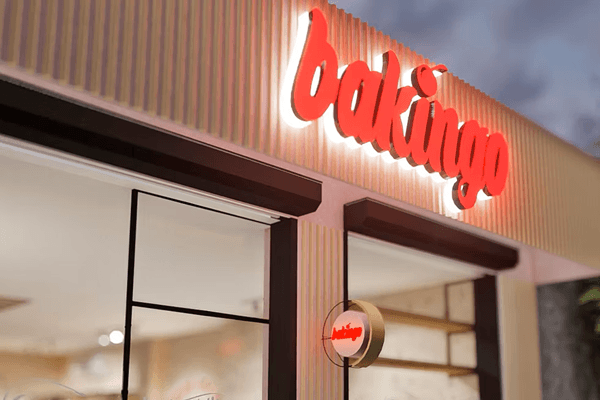
Does Bakingo Offer a Franchise in India?
Many entrepreneurs assume that every popular food brand offers a franchise. That is not always true. Bakingo has focused primarily on company-operated cloud kitchens and centralized operations in many cities. This business model helps the company maintain product quality and delivery standards.
Since there is no publicly announced nationwide franchise model, there is also no officially published franchise fee. Industry estimates suggest that if a franchise or authorized partner model becomes available, the overall investment could fall between ₹20 lakh and ₹60 lakh.
This estimated cost would depend on the kitchen format, equipment, staff, and local infrastructure. Anyone interested in the brand should verify the current expansion policy before making financial plans or paying money to any third party.
Estimated Bakingo Franchise Cost Breakdown
If Bakingo introduces a franchise model in the future, entrepreneurs should prepare for multiple startup expenses. The estimated investment of ₹20 lakh to ₹60 lakh would likely include commercial kitchen setup, refrigeration equipment, ovens, mixers, workstations, storage units, billing systems, and branding. Kitchen equipment alone could cost ₹8 lakh to ₹20 lakh depending on production capacity.
Interior work, electrical installation, ventilation, and food preparation areas may require ₹5 lakh to ₹15 lakh. Delivery management systems, computers, packaging materials, and initial ingredient purchases could add another ₹3 lakh to ₹10 lakh. Investors should also keep ₹4 lakh to ₹15 lakh as working capital to cover salaries, rent, utilities, and operational expenses during the initial months.
Kitchen Space and Infrastructure Cost
Unlike a traditional bakery with customer seating, Bakingo’s business focuses heavily on cloud kitchen operations. This reduces the need for expensive retail showrooms but increases the importance of an efficient production facility. A commercial kitchen may require 500 to 2,000 square feet depending on expected order volume.
Monthly rent can range from ₹30,000 to ₹2 lakh depending on the city and location. Food-grade flooring, cold storage, baking equipment, hygiene systems, and packaging areas also increase the overall setup cost. These infrastructure expenses are one reason why the estimated investment may reach ₹20 lakh to ₹60 lakh. Choosing a location close to delivery demand can also reduce logistics costs and improve delivery speed.
Eligibility and Financial Requirements
Any future Bakingo franchise or partnership program would likely require applicants to demonstrate financial stability and business management capability. Experience in food service or hospitality may be beneficial, although training could be provided depending on the business model. Investors should have access to ₹20 lakh to ₹60 lakh to establish the kitchen, purchase equipment, and maintain working capital.
Business registrations, FSSAI licensing, GST registration, and local approvals would also be necessary before starting operations. A clean commercial kitchen with proper food safety standards would likely be mandatory. Financial planning is important because bakery businesses require regular purchases of fresh ingredients and continuous operational spending.
Monthly Operating Cost
Running a modern bakery kitchen involves recurring expenses every month. Raw materials, dairy products, chocolate, flour, sugar, packaging, delivery operations, electricity, internet, and employee salaries create regular financial commitments. Depending on the production capacity, monthly operating expenses may range from ₹2 lakh to ₹12 lakh.
Staff salaries alone could account for ₹1 lakh to ₹5 lakh every month depending on the number of bakers, kitchen assistants, delivery coordinators, and managers. Electricity costs remain significant because ovens, refrigerators, and freezers operate throughout the day. Even if the startup investment ranges from ₹20 lakh to ₹60 lakh, maintaining healthy cash flow is essential for uninterrupted operations.
Revenue Potential and Return on Investment
India’s online bakery market has expanded rapidly because consumers increasingly order cakes and desserts through food delivery platforms. Birthday celebrations, anniversaries, festivals, and corporate events generate demand throughout the year.
A well-managed bakery kitchen in a high-demand city can receive consistent online orders every day. If a future Bakingo franchise becomes available, the estimated investment of ₹20 lakh to ₹60 lakh could offer attractive long-term earning potential.
However, actual profits would depend on order volume, delivery efficiency, food quality, customer reviews, and operating expenses. Businesses that maintain product consistency and fast delivery generally perform better than those that rely only on promotional pricing.
Additional Expenses That Investors Should Consider
Many first-time entrepreneurs focus only on the estimated franchise cost of ₹20 lakh to ₹60 lakh and forget about ongoing expenses. Equipment servicing, refrigeration maintenance, software subscriptions, food delivery platform commissions, digital marketing, packaging upgrades, and staff training can increase business costs. Food inflation may also raise ingredient prices throughout the year.
Seasonal demand often requires additional inventory and temporary employees. These extra expenses can affect profitability if they are not included in the financial plan. Maintaining an emergency reserve beyond the initial investment helps the business continue operating smoothly during unexpected situations.
Is Bakingo a Good Business Opportunity?
Bakingo has developed a strong reputation in India’s online bakery segment. Its focus on fresh cakes, quick delivery, and digital ordering has helped the brand expand rapidly in several cities. If the company introduces a wider franchise model in the future, it could become an attractive opportunity for entrepreneurs interested in the food delivery industry.
The estimated investment of ₹20 lakh to ₹60 lakh would place it in the mid-range category compared with many premium bakery chains. However, interested investors should never rely on unofficial advertisements or agents. Always confirm directly with Bakingo whether franchise or partnership opportunities are currently available before making any payment.
The Bakingo franchise cost in India is not officially published because the company does not currently advertise a nationwide traditional franchise program. If such an opportunity becomes available in the future, industry estimates suggest an investment of approximately ₹20 lakh to ₹60 lakh, depending on the business format, kitchen size, equipment, and location.
Entrepreneurs should carefully evaluate setup costs, monthly operating expenses, and market demand before investing. To obtain the most accurate and up-to-date information, always contact Bakingo directly and verify whether franchise or partnership opportunities are currently open.