Critical Advisory: Beware of Liquor Franchise and Allotment Scams
Prospective entrepreneurs must understand a foundational principle of Indian business law: no private alcohol brand or winery can grant a retail liquor vend license. In India, retail sale of Indian Made Foreign Liquor (IMFL), beer, and wine is an exclusive state subject regulated by individual State Excise Departments. Quotas and store locations are disbursed strictly through state-run e-tenders, draw-of-lots, or statutory auctions. If a third-party website, agent, or portal demands a “brand authorization fee” or promises a guaranteed retail shop allotment under the name of Ambi Wine or any other label, treat it as a high-risk financial trap and verify directly with your local District Excise Officer.
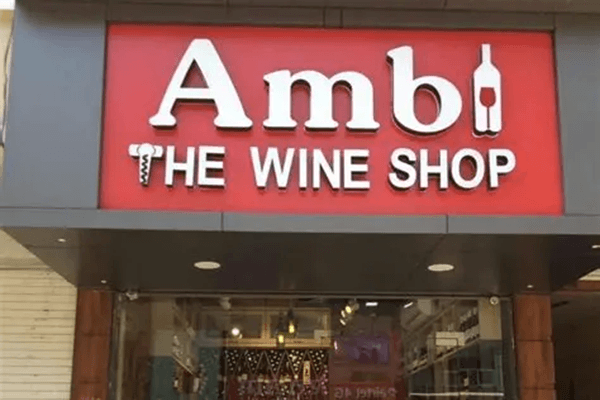
Understanding the Retail Liquor Business Model in India
The term “franchise” is frequently misused in the Indian alcoholic beverage landscape. Unlike fast-food chains or retail garment stores where a parent corporation sub-licenses operational rights, an alcohol retail storefront is primarily an excise-bound retail dealership. Brands such as Ambi Vineyards produce and distribute wine products through wholesale depots (such as state beverages corporations like KSBCL, TASMAC, or private L-1/wholesale channels), which retail license holders then stock.
Partnering with a wine label generally involves product distribution agreements, dedicated shelf-space branding, or operating specialized boutique wine taverns where state policies permit dedicated single-category licenses (such as Maharashtra’s wine-bar/shop permits). As a result, calculating your investment requires analyzing state excise bids and mandatory compliances rather than paying a private franchise fee.
Realistic Capital Expenditure (CapEx) Breakdown
Starting an independent wine and liquor retail establishment in an urban or semi-urban market demands a balanced financial runway. The overall expenditure is dominated by state excise duties and mandatory upfront inventory procurement.
| Investment Component | Estimated Cost Range (2026) | Regulatory & Operational Considerations |
|---|---|---|
| Excise License & State Tender Fees | ₹15,00,000 – ₹60,00,000+ | Non-negotiable statutory cost; varies dramatically based on auction bids, draw fees, and municipal tier. |
| Commercial Real Estate Security & Fit-Out | ₹6,00,000 – ₹18,00,000 | Covers lease security deposits (300–800 sq. ft.), reinforced security shutters, fire clearances, and interior shelving. |
| Temperature Control & Tech Compliance | ₹3,50,000 – ₹8,00,000 | Commercial wine coolers, dedicated air conditioning for vintage preservation, statutory CCTV monitoring, and excise POS systems. |
| Opening Stock & Liquidity Reserve | ₹20,00,000 – ₹45,00,000 | Direct wholesale procurement paid upfront in cash/advance; covers fast-moving IMFL, domestic wines, and premium imports. |
| Total Estimated Setup Outlay | ₹44,50,000 – ₹1,31,00,000 | Subject to localized municipal zoning, state excise category, and property lease dynamics. |
Operating Costs, Working Capital, and Margin Dynamics
Operating a liquor or wine store is an inventory-intensive and cash-heavy undertaking. Because retail prices for alcoholic beverages are tightly controlled under state-notified Minimum Retail Price (MRP) or Maximum Retail Price frameworks, profit margins do not mirror typical FMCG or apparel retail. Retail gross margins on popular Indian Made Foreign Liquor and beer generally hover between 8% and 15%, whereas premium still wines and imported labels can yield gross margins between 18% and 25%.
On an operational level, recurring monthly expenses regularly scale between ₹2,00,000 and ₹7,50,000. This accommodates retail rental charges in permitted commercial belts, salaries for bonded retail staff trained in age-verification laws, high-draw commercial power for continuous refrigeration, and localized physical security. Maintaining adequate working capital is critical, as inventory restocking through government corporations must usually be cleared with zero supplier credit.
Recommended Coverage:
How to Start an Axis Juice Franchise in India [2026]
Statutory Due Diligence Checklist for Aspiring Retailers
Before entering any commercial lease or signing a vendor affiliation for an Ambi Wine outlet, ensure the following compliance milestones are verified in writing:
First, verify the location against state distance-restriction mandates. Most state excise codes strictly prohibit the sale of liquor within a specified radius (usually 50 to 150 meters) of places of worship, educational institutions, hospitals, and national highways.
Second, review the corporate status of the partnering label via the Ministry of Corporate Affairs (MCA) portal. Ascertain that the operating entity is in active standing, inspect its audited filings, and ensure you are liaising with designated company directors rather than unregulated franchise brokerage networks.
Finally, obtain the appropriate state-specific retail license—such as an FL-2, CL-2, or dedicated wine shop license—directly from your state excise portal. Do not rely on third parties claiming they possess “transferable” licenses, as sub-leasing an excise vend without formal department sanctions is illegal across Indian jurisdictions.