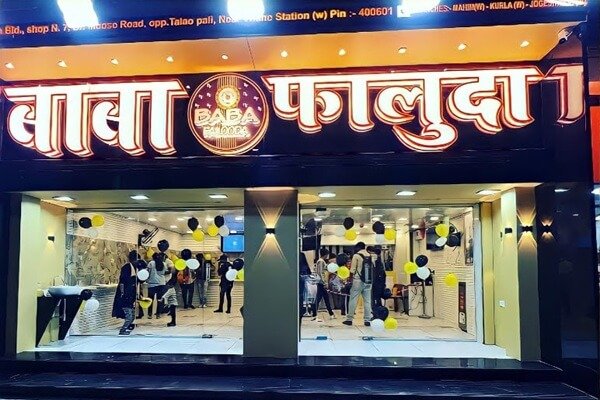
The Franchise Trap: Does Baba Falooda Actually Offer Public Franchising?
A significant pitfall in the Indian retail and food and beverage landscape is what industry analysts term the “franchise fee trap.” Prospective investors frequently encounter third-party aggregators and unverified digital portals quoting standardized franchise packages for iconic local brands.
Famous Mumbai dessert institutions like Baba Falooda, Badshah Cold Drinks, and Haji Ali Juice Centre built their prestige over decades through concentrated, high-volume proprietary outlets. Most iconic legacy dessert hubs function either under Company Owned, Company Operated (COCO) models or closely knit internal partnerships rather than public franchise disclosure documents.
Before allocating funds for brand licensing, entrepreneurs must verify corporate registration with the Ministry of Corporate Affairs (MCA) and confirm that the brand possesses an active, unencumbered registered trademark for commercial sub-licensing under Class 43.
Paying token advance fees to unauthorized intermediaries representing themselves as “master franchise development officers” remains one of the fastest ways to lose capital in the Indian food service segment.
Investor Advisory: How to Spot Commercial Franchise Scams
The sudden surge in popularity of street-side dessert and beverage chains across Tier 1 and Tier 2 cities has triggered a parallel wave of advance-fee financial fraud. Fake websites frequently mimic original brand layouts, display illegitimate certificates of authorization, and solicit non-refundable “processing fees” of ₹25,000 to ₹1,50,000 via digital payments before any physical site inspection or commercial agreement occurs.
Legitimate franchise systems never require upfront token deposits to share basic documentation, nor do they collect brand fees via personal bank accounts or UPI handles. Whenever exploring a franchise offer for any heritage dessert brand, insist on physically visiting the flagship headquarters, consulting with active outlet proprietors in person, and running a formal search on the IP India trademark registry to verify ownership rights before executing any contractual documentation.
Realistic Capital Expenditure (CapEx) for a Premium Falooda Outlet
If an investor plans to launch a licensed dessert parlour or an independent competing brand matching the operational scale of Baba Falooda, capital expenditure must be distributed prudently across cold chain infrastructure, specialized preparation counters, and heavy retail foot-traffic aesthetics. Unlike standard dry-snack outlets, a dairy-heavy dessert store relies heavily on commercial refrigeration, batch freezers, and backup power to protect raw inventories against ambient heat and power interruptions.
| Investment Component | Kiosk / Express Model (150–250 sq. ft.) | High-Street / Dine-in Parlour (400–700 sq. ft.) | Nature of Expense |
|---|---|---|---|
| Initial Brand / Licensing Fee | ₹0 to ₹4,00,000 | ₹0 to ₹6,00,000 | One-time, non-refundable (if joining a verified chain) |
| Commercial Kitchen Equipment (Hard-top deep freezers, soft-serve units, blenders, syrup rails) |
₹4,50,000 – ₹6,00,000 | ₹7,50,000 – ₹11,00,000 | Fixed capital asset depreciation over 5–7 years |
| Interior Fit-Out & Architectural Signage (Waterproofing, hygiene tiling, HVAC, LED menu boards, seating) |
₹3,50,000 – ₹5,00,000 | ₹8,00,000 – ₹12,00,000 | Civil fit-out (amortized over lease duration) |
| POS Hardware, Billing & CCTV Systems | ₹60,000 – ₹1,00,000 | ₹1,20,000 – ₹2,00,000 | Hardware setup & software licensing |
| Regulatory Licences (FSSAI, Trade, GST, Fire) | ₹30,000 – ₹50,000 | ₹50,000 – ₹1,00,000 | Statutory municipal and state approvals |
| Initial Raw Material & Packaging Stock | ₹1,00,000 – ₹1,50,000 | ₹2,50,000 – ₹3,50,000 | Working capital tied in initial stock |
| Security Deposit (Real Estate Lease) | ₹1,50,000 – ₹3,00,000 | ₹4,00,000 – ₹8,00,000 | Refundable asset (varies by micromarket) |
| Total Initial Outlay (Estimated CapEx) | ₹11,40,000 – ₹21,00,000 | ₹23,70,000 – ₹43,50,000 | All-inclusive operational launch estimate |
Unit Economics: Operating Expenses and Real-World Margins
The dessert and falooda industry enjoys substantial gross margins because its primary components—condensed milk, vermicelli (sev), sabja seeds, rose/khus syrups, dry fruits, and house-made kulfi—have a relatively modest Cost of Goods Sold (COGS) compared to cooked savoury meals.
In standard operational conditions, COGS typically hovers between 35% and 45% of retail price, leaving an attractive gross margin ceiling of 55% to 65%.
However, long-term sustainability hinges on operating expenditure (OpEx) discipline. Heavy dairy cooling demands consistent commercial refrigeration, translating into electricity bills that often constitute 6% to 9% of total monthly sales. High prime-location rental rates can easily erode profitability if weekend foot-traffic does not maintain a solid weekday baseline.
When taking rent, cold-chain utility bills, staff payroll, packaging, and digital delivery aggregator commissions (often 18% to 24%) into account, a well-run dessert shop typically realizes a realistic net operating margin of 15% to 22%.
| Financial Metric | Monthly Share of Gross Sales | Strategic Management Focus |
|---|---|---|
| Cost of Goods Sold (COGS) | 36% – 42% | Control dairy wastage, bulk-purchase non-perishables, maintain strict portioning. |
| Commercial Lease / Rent | 12% – 18% | Negotiate revenue-share caps or ensure rent remains below 15% of projected gross revenue. |
| Staff Payroll & Uniforms | 10% – 14% | Cross-train staff to balance prep-kitchen duties with counter service. |
| Utilities & Electricity (Cold Storage) | 6% – 9% | Install energy-efficient continuous inverters and maintain condenser coils regularly. |
| Consumables, Biodegradable Packaging & Cleaning | 4% – 6% | Balance takeout packaging presentation with per-unit container cost. |
| Net Profit Margin (EBITDA) | 15% – 22% | Average payback period spans 22 to 34 months based on footfall stability. |
Site Selection, Footfall Dynamics, and Seasonal Variations
A successful dessert establishment requires specific micro-market location factors that differ notably from full-service lunch or dinner restaurants. Falooda and premium kulfi sales peak during late afternoon, evening, and post-dinner dessert runs between 8:00 PM and midnight.
Consequently, locating an outlet adjacent to established dining hubs, family entertainment venues, cinema complexes, or high-density street-food corridors yields significantly higher footfall conversion than placing a unit in an isolated daytime corporate enclave.
Investors must also budget for regional seasonal variations. While metropolitan centres in coastal western and southern India maintain consistent falooda demand across twelve months, northern and inland markets typically see cold-dessert consumption drop during winter months.
Balanced operators counter this seasonal curve by incorporating hot milk offerings, saffron rabri, dry-fruit hot halwas, and bakery-infused pairings to stabilize cash flows between November and February.
Related Deep Dive:
Axis Juice Franchise Cost in India (2026)
Prerequisite Verification Checklist for Potential Investors
Before transferring advance deposits or signing long-term commercial leases under the impression of securing a brand partnership, every prudent entrepreneur should execute the following verification steps:
1. Verify Corporate Identity and Trademark Status: Check the Ministry of Corporate Affairs (MCA) database and IP India trademark records. Ensure the person issuing the agreement holds legitimate power of attorney or proprietary legal rights over the brand name.
2. Distinguish Between Distributorship, Franchise, and Licensing: Clarify whether the proposal is a true Franchise Owned, Franchise Operated (FOFO) model, an unbranded supplier distribution agreement, or an informal brand-sharing arrangement without operational support.
3. Review the Franchise Disclosure Document (FDD): Demand a formal agreement detailing the master fee, ongoing royalty percentages, raw material purchase obligations, territory exclusivity, and clear exit clauses.
4. Evaluate Alternative Organized Brands: If an iconic legacy brand is unavailable for retail franchising, evaluate verified, established dessert chains (such as Giani’s, Natural Ice Cream, Firangi Falooda, or Keventers) where audited disclosure schedules, central supply chains, and established support networks are publicly documented.
Frequently Asked Questions (FAQs)
Can I get an official Baba Falooda franchise in India?
Baba Falooda is predominantly recognized as an iconic, privately held establishment rooted in Mumbai. There is no publicly registered nationwide franchise portal or open FOFO onboarding model officially operated by the original owners. Entrepreneurs should treat online forms soliciting franchise registration fees on behalf of Baba Falooda with extreme caution.
What is the realistic cost to launch an independent or branded falooda parlour?
Setting up a standard 200 to 500 sq. ft. commercial dessert parlour in India typically requires an investment of ₹18 lakh to ₹32 lakh. This covers commercial refrigeration and blast freezers, store fit-outs, municipal licensing, initial inventory, and working capital reserves.
What net profit margins can an investor expect in the dessert retail sector?
While raw dairy and sugar ingredients yield high gross margins of 55% to 65%, ongoing commercial rent, continuous refrigeration electricity costs, staffing, and food-delivery commissions adjust typical net operating margins (EBITDA) to a realistic 15% to 22%.
How do I safeguard myself against franchise upfront-fee scams?
Never transfer booking fees, advance royalties, or verification charges to individual bank accounts or via payment links. Always conduct face-to-face meetings at the brand’s registered head office, cross-verify intellectual property ownership via IP India, and hire an independent legal professional to audit contracts before executing any payment.