So, Is a Baba Chicken Franchise Worth Looking At?
If you’ve searched for the Baba Chicken franchise cost in India, you’re probably trying to figure out whether this well-known North Indian restaurant brand is open for franchising and how much money you’ll actually need to invest. That’s a smart place to start because many food brands become popular before they officially expand through franchises.
As of 2026, Baba Chicken has not publicly announced a standardized franchise program or officially disclosed a franchise fee or total investment requirement. In other words, there is no verified figure released by the company that confirms exactly how much a franchise costs. However, if the brand chooses to expand through franchising, industry comparisons suggest that opening a restaurant of a similar size and format could require an estimated investment of ₹20 lakh to ₹45 lakh.
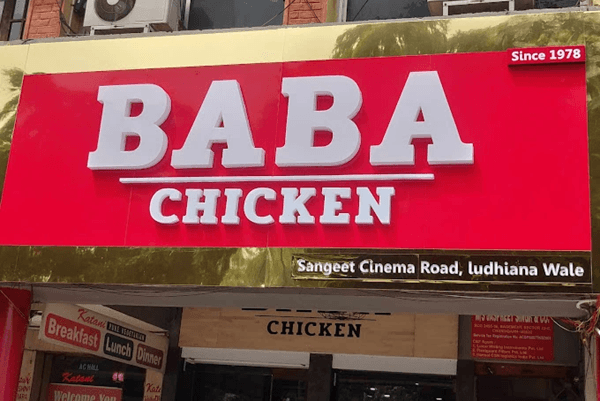
This estimate generally covers restaurant interiors, commercial kitchen equipment, furniture, branding, licenses, opening inventory, and working capital. Since these are not official company figures, they should only be used as a planning estimate. Before making any financial commitment, always verify the latest franchise opportunities directly with Baba Chicken.
Why This Brand Is Catching People’s Attention
Baba Chicken has built a strong reputation over the years by serving North Indian cuisine, especially dishes that appeal to customers looking for rich flavors and traditional recipes. Unlike restaurants that depend heavily on changing food trends, brands built around regional favorites often develop loyal customers who return regularly.
That consistency is one reason many entrepreneurs are curious about the estimated ₹20 lakh to ₹45 lakh investment associated with opening a similar restaurant. People don’t simply invest in a restaurant because the menu looks attractive; they invest because the brand already enjoys recognition and customer trust. A familiar name can reduce the time needed to attract first-time visitors, although long-term success still depends on food quality, service standards, pricing, hygiene, and local competition.
Even if Baba Chicken officially launches a franchise model in the future, investors should remember that a recognizable brand helps open the door, but excellent operations are what keep customers coming back. The estimated ₹20 lakh to ₹45 lakh startup budget should therefore be viewed as only one part of the overall business decision.
Here’s Where Your Money Will Go
When people hear that opening a restaurant may require ₹20 lakh to ₹45 lakh, they often assume most of that amount is a franchise fee. In reality, restaurant businesses involve many different expenses that quickly add up. Commercial kitchen equipment alone can cost between ₹5 lakh and ₹10 lakh, depending on the kitchen size and cooking capacity.
Restaurant interiors, seating arrangements, lighting, décor, air conditioning, and signage may require another ₹5 lakh to ₹12 lakh. Licenses, food safety registrations, GST registration, fire safety compliance, billing software, CCTV systems, and POS machines can easily add ₹1 lakh to ₹3 lakh. Initial inventory, packaging materials, uniforms, cleaning supplies, and opening marketing campaigns may require another ₹2 lakh to ₹5 lakh.
It is also wise to reserve ₹5 lakh to ₹10 lakh as working capital for employee salaries, rent, electricity, gas, maintenance, and day-to-day operating expenses during the first few months. These figures explain why the total estimated investment reaches ₹20 lakh to ₹45 lakh, even before the restaurant begins generating consistent revenue. If Baba Chicken officially introduces franchising, the actual investment may differ, so always request written cost details from the company.
Choosing the Right Location Without Overspending
Location is one of the biggest factors that determines whether a restaurant succeeds or struggles. Even a popular brand cannot overcome poor visibility or limited customer traffic. If you’re preparing an estimated ₹20 lakh to ₹45 lakh investment, choosing the right property deserves as much attention as choosing the brand itself.
A Baba Chicken-style restaurant generally performs best in busy commercial markets, premium residential neighborhoods, food streets, shopping complexes, or areas with strong evening footfall.
A space between 1,000 and 2,000 square feet is commonly suitable for this type of dining format, although exact requirements depend on the business model. Monthly rent in Tier-2 cities may range from ₹50,000 to ₹1 lakh, while premium locations in major metropolitan cities can exceed ₹2 lakh per month. Security deposits, renovation work, utility connections, and local permissions also increase the initial cost.
Spending slightly more for a location with stronger customer traffic often produces better long-term results than choosing the cheapest available property with limited visibility. That is why the location decision has a direct impact on the overall ₹20 lakh to ₹45 lakh investment and future profitability.
What Kind of Returns Can You Expect?
Every investor hopes to recover their investment quickly, but restaurant businesses rarely follow a fixed timeline. Since Baba Chicken has not released official franchise financial information, there are no verified company figures for revenue, profit margins, or break-even periods.
Based on comparable casual dining restaurants, well-managed outlets often achieve gross profit margins of around 50% to 65%, while net profit margins generally range from 10% to 18% after accounting for rent, salaries, food costs, utilities, and other operating expenses. If your total investment falls between ₹20 lakh and ₹45 lakh, the actual return will depend on customer footfall, menu pricing, online delivery partnerships, operational efficiency, and your ability to control food wastage.
Restaurants that consistently deliver excellent taste and service usually build repeat customers, which is essential for sustainable profitability. Rather than relying on optimistic earnings projections, prepare realistic financial estimates based on your city, expected rent, staffing costs, and local competition. A carefully planned investment generally has a much better chance of producing stable returns than one based on assumptions alone.
My Thoughts Before You Invest
From my perspective, the biggest attraction of a Baba Chicken-style business is the continued demand for authentic North Indian food. Unlike short-term food trends that disappear after a few months, traditional dishes often enjoy steady demand from families, office workers, and regular diners.
That said, I would not recommend investing simply because you see an estimated ₹20 lakh to ₹45 lakh startup cost and assume the business will automatically succeed. Visit existing restaurants, observe customer traffic during weekdays and weekends, study nearby competitors, and calculate your monthly expenses carefully before making a decision.
If Baba Chicken officially launches a franchise program, ask for complete documentation covering franchise fees, royalty charges, marketing contributions, training support, agreement terms, and renewal conditions. Taking time to verify these details can prevent costly mistakes later. The strongest restaurant investments are usually made by entrepreneurs who research every expense, understand the local market, and plan beyond the initial investment figure.