So, Is This Franchise Worth Looking At?
If you’ve been thinking about investing in a food business, there’s a good chance you’ve noticed how popular regional Indian cuisine has become over the last few years. Instead of chasing international fast-food trends, many customers now prefer authentic dishes that remind them of home. That’s exactly why searches for the Baati Chokha franchise cost in India have been growing.
Before you make any plans, though, it’s important to know one key fact. As of 2026, Baati Chokha has not publicly released a standardized franchise model or officially disclosed its franchise fee or investment amount. That means you won’t find verified pricing directly from the company. However, if you compare similar casual dining restaurants serving traditional Indian cuisine, a realistic, estimated investment falls between ₹15 lakh and ₹30 lakh.
This estimate includes restaurant interiors, commercial kitchen equipment, furniture, branding, licenses, initial inventory, and working capital. Think of this figure as a planning estimate rather than an official franchise cost. Before investing any money, always confirm the latest details directly with the company.
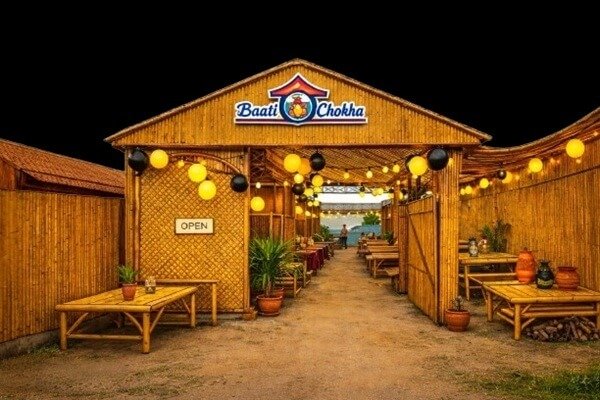
Why This Brand Is Catching People’s Attention
One reason Baati Chokha has attracted attention is that it focuses on traditional Indian food instead of following short-lived food trends. Authentic dishes such as baati, chokha, dal, and regional thalis continue to attract families, office workers, tourists, and customers looking for a comforting meal.
Unlike many restaurant concepts that depend on constantly changing menus, regional cuisine often builds loyal repeat customers through consistent taste and quality. That’s one reason entrepreneurs see potential in this business category. While the estimated ₹15 lakh to ₹30 lakh investment may seem significant, many investors believe the growing demand for authentic Indian dining creates long-term opportunities.
Of course, the success of any restaurant depends on more than the brand name alone. Food quality, customer service, pricing, cleanliness, and location all play a major role. Even if Baati Chokha expands through franchising in the future, choosing the right location and managing operations efficiently will be just as important as arranging the initial investment.
Here’s Where Your Money Will Go
Whenever people hear an estimated investment of ₹15 lakh to ₹30 lakh, the first question is usually, “Where does all that money actually go?” The reality is that only a portion of the budget is related to branding. A major share goes into creating a restaurant customers enjoy visiting.
Commercial kitchen equipment such as cooking ranges, exhaust systems, refrigerators, preparation tables, storage units, and utensils may require approximately ₹4 lakh to ₹8 lakh. Restaurant interiors, dining furniture, signage, lighting, and décor can add another ₹3 lakh to ₹7 lakh. Licenses, billing software, CCTV cameras, POS systems, and legal registrations may require around ₹1 lakh to ₹2 lakh.
The initial purchase of ingredients, packaging materials, uniforms, and cleaning supplies may cost ₹1 lakh to ₹3 lakh. Finally, it’s sensible to reserve ₹4 lakh to ₹8 lakh as working capital to cover rent, salaries, electricity, gas, and day-to-day operations during the first few months. These individual expenses explain why the total estimated startup budget reaches ₹15 lakh to ₹30 lakh, even before the restaurant begins generating steady revenue.
Choosing a Location Without Overspending
A beautiful restaurant in the wrong location rarely performs as well as a simple restaurant where customers naturally walk in every day. That’s why location deserves careful attention before you commit to an estimated ₹15 lakh to ₹30 lakh investment. A Baati Chokha-style restaurant generally performs well in busy commercial areas, family dining zones, near offices, or close to residential neighborhoods where customers regularly eat out.
Most outlets require around 800 to 1,500 square feet of space. In many Tier-2 cities, commercial rent may range between ₹40,000 and ₹80,000 per month, while prime locations in metropolitan cities can easily cost ₹1 lakh to ₹3 lakh per month. Beyond rent, don’t forget security deposits, utility connections, maintenance expenses, and local approvals.
Sometimes entrepreneurs try to reduce costs by choosing a cheaper location, but lower rent doesn’t always translate into higher profits. A location with stronger customer traffic often justifies the additional monthly expense because it has greater sales potential over time.
What Kind of Returns Can You Expect?
Every investor wants to know how quickly the money can come back, but restaurant businesses rarely have a single answer. Since Baati Chokha has not published official franchise financial data, there are no verified earnings or return-on-investment figures available.
However, restaurants in the organized casual dining sector commonly achieve gross profit margins of approximately 50% to 65%, while net profit margins often range between 12% and 20%, depending on food costs, staff salaries, rent, and customer volume. If someone invests an estimated ₹15 lakh to ₹30 lakh, the actual return will depend on factors such as menu pricing, operational efficiency, online delivery partnerships, customer reviews, and repeat business.
Restaurants that maintain consistent quality and excellent service usually perform better over the long term than those relying only on grand openings or heavy discounts. Before investing, prepare a realistic financial projection based on your city and expected operating expenses rather than relying entirely on industry averages.
My Final Thoughts Before You Invest
Personally, I think the biggest attraction of a business like Baati Chokha isn’t just the food—it’s the growing appreciation for authentic regional cuisine across India. People increasingly value restaurants that offer traditional flavors in a clean, comfortable environment. That creates interesting opportunities for entrepreneurs.
At the same time, I wouldn’t recommend making a decision based solely on an estimated ₹15 lakh to ₹30 lakh investment figure. Spend time visiting similar restaurants, observe customer traffic at different times of the day, compare local competition, and understand your monthly operating costs before committing your savings.
If Baati Chokha officially introduces a franchise program, ask for written details covering the franchise fee, royalty, training, marketing support, and agreement terms. The more questions you ask before investing, the fewer surprises you’ll face later. A well-researched decision is almost always better than a quick one, especially in the restaurant business.