Understanding the Beyoung Retail Opportunity in India
Beyoung (Beyoung Folks Pvt. Ltd.) has scaled rapidly as a direct-to-consumer (D2C) value-fashion brand focusing on youth-centric daily wear, printed t-shirts, urban shirts, cargo joggers, and modular combo apparel. As the brand expands its omnichannel footprint beyond online channels into Tier-2, Tier-3, and select metro retail corridors, prospective entrepreneurs frequently search for the official “Beyoung franchise cost”.
Setting up an independent apparel retail outlet or authorized partner counter with a comparable fast-fashion inventory footprint typically entails an estimated capital expenditure ranging from ₹12 lakh to ₹25 lakh, subject to location, store carpet area, and commercial leasing conditions.
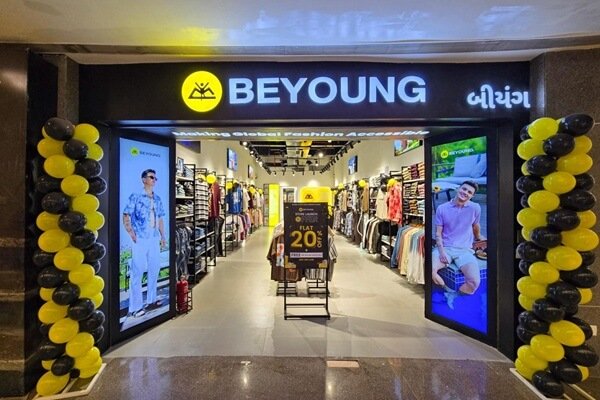
Prospective store partners must examine retail expansion frameworks through a strict due-diligence lens. Emerging D2C apparel companies often expand via hybrid channel models—including Company-Owned Company-Operated (COCO) flagship outlets, commercial shop-in-shop (SIS) distributor tie-ups, or selective Franchise-Owned Franchise-Operated (FOFO) / Franchise-Owned Company-Operated (FOCO) agreements.
An investor must never conflate total commercial retail setup capital with an arbitrary “franchise fee.” Commercial terms, margin structures, inventory liquidation policies, and brand authorization rights must always be verified directly through official corporate channels.
Investor Advisory & Anti-Fraud Warning
A prevalent scam across the Indian retail and franchise ecosystem involves fraudulent third-party intermediary portals, fake domain names, and illegitimate telecallers claiming to issue instant franchise agreements or dealership allotment letters.
Unsuspecting applicants are often prompted to deposit refundable “registration fees,” “site inspection charges,” or “NOC processing fees” into personal or unrelated current bank accounts.
Legitimate D2C corporate brands never demand cash transfers, personal UPI disbursements, or preliminary clearance fees prior to in-person commercial meetings, physical site evaluation, and bilateral execution of a registered legal agreement.
Never wire capital without direct verification via Beyoung’s official corporate domain (beyoung.in) or direct correspondence with their business development and legal team.
Evaluating Retail Models: Franchise vs. Distributorship vs. COCO
Before allocating funds, an entrepreneur must determine whether an available retail slot represents an active operational franchise, an exclusive distributor counter, or a corporate leasing structure. In a conventional FOFO format, the franchisee assumes complete capital expenditure, property lease liabilities, localized payroll, and operational utility overheads, while receiving structured product supply and marketing assets from the brand.
Conversely, in a FOCO format, the investor finances the physical fit-out and property setup, while the central retail team operates the day-to-day point-of-sale inventory and personnel, sharing gross revenue margins or paying an agreed commercial return.
Distributorships and wholesale dealer tie-ups operate on an entirely different economic model. Distributors buy inventory outright at an agreed wholesale discount or margin without paying ongoing royalty cuts or adhering to stringent corporate store interior guidelines.
In contrast, if a brand opts for a COCO model, external franchisee capital is not accepted; the brand rents the commercial premises directly from property owners. Clarifying which legal agreement is being offered protects retail operators from entering into ambiguous, one-sided commitments.
Realistic Store Setup CapEx & Working Capital Breakdown
A functional apparel outlet spanning 350 to 750 square feet requires balanced capital distribution. Directing an excessive proportion of working capital toward high-end visual merchandising or cosmetic finishes while starving opening inventory creates severe cash-flow strain within the initial operational quarter. Below is a structured estimate of realistic retail setup requirements for planning purposes.
| Investment Component | Compact Format (300–450 sq ft) | Standard Format (500–800 sq ft) | Operational & Financial Scope |
|---|---|---|---|
| Store Interiors & Fit-Outs | ₹3,00,000 – ₹4,50,000 | ₹5,50,000 – ₹8,50,000 | Modular display racks, trial rooms, spotlights, counters, flooring, and external signage. |
| Opening Stock & Inventory | ₹3,50,000 – ₹5,00,000 | ₹6,00,000 – ₹9,00,000 | Core stock (tees, shirts, cargo, denim, combos) across size curves and seasonal SKUs. |
| POS, Tech & Security Systems | ₹60,000 – ₹1,00,000 | ₹1,00,000 – ₹1,80,000 | Barcode scanners, billing thermal printers, CCTV setups, and inventory management POS software. |
| Rental Advance / Security Deposit | ₹1,00,000 – ₹2,50,000 | ₹2,50,000 – ₹6,00,000 | Commercial lease security deposit (typically 3 to 6 months’ rent, highly variable by city). |
| Local Launch Marketing & Signage | ₹40,000 – ₹75,000 | ₹80,000 – ₹1,50,000 | Local geo-targeted digital campaigns, store inauguration collaterals, and outdoor branding. |
| Mandatory Working Capital Reserve | ₹2,00,000 – ₹3,50,000 | ₹3,50,000 – ₹5,50,000 | 3 to 6 months of contingency reserves for staff payroll, power bills, and stock replenishment. |
| Total Estimated Capital Outlay | ₹10,50,000 – ₹17,25,000 | ₹19,30,000 – ₹32,30,000 | Excludes unverified franchise entry fees; actual figures depend on contract terms. |
Apparel Industry Economics: Gross Margins, OPEX, and Breakeven
Fast-fashion and casual wear retailing generally operates on gross product margins ranging between 32% and 42% on retail sales price, depending on whether inventory is supplied on an outright purchase (SOR – Sale or Return) basis or a consignment framework. However, gross profit must not be confused with take-home net returns.
Monthly fixed operational expenditures—including store rent, retail sales associate salaries, electricity, commercial air conditioning, municipal charges, packaging, and digital card settlement charges—substantially compress net realizations.
A typical high-street store with monthly sales of ₹6,00,000 and an average gross margin of 36% yields ₹2,16,000 in gross margin. If prime commercial rent consumes ₹85,000, two sales employees account for ₹38,000, power and utilities require ₹18,000, and miscellaneous operational costs equal ₹10,000, the remaining store-level net operating income lands near ₹65,000 before taxes, depreciation, and inventory shrinkage.
Operators must calculate their store-specific breakeven threshold based on realistic pedestrian footfalls and conversion rates rather than optimistic assumptions.
Continue the Investigation:
FirstCry Retail Store Franchise Cost in India in 2026
Tier-Wise Market Feasibility and Real Estate Dynamics
Apparel retail performance in India varies dramatically across different city tiers. While metropolitan cities offer denser shopping traffic, exorbitant commercial lease rentals and dense brand competition pose substantial risks to early breakeven timelines. In contrast, emerging Tier-2 and Tier-3 urban markets frequently provide superior unit economics due to manageable rental expenses and unsatisfied demand for branded casual youth wear.
| Market Classification | Estimated Monthly Lease Cost | Working Capital Sensitivity | Strategic Viability for Value Fashion |
|---|---|---|---|
| Metro / Tier-1 (Mumbai, Delhi, Bengaluru) | ₹80,000 – ₹2,20,000+ | Critical (High cash burn risk) | High average order value, but intense showroom competition and steep occupancy cost ratios. |
| Tier-2 Hubs (Jaipur, Lucknow, Indore, Surat) | ₹35,000 – ₹85,000 | Moderate (Balanced overheads) | Strong demand for aspirational daily fashion, lower customer acquisition costs, and stable leases. |
| Tier-3 & Semi-Urban Centers | ₹18,000 – ₹45,000 | Low to Moderate (Optimal runway) | Minimal presence of national casual wear outlets; prime street locations accessible at lower rental security deposits. |
Essential Due Diligence Steps for Prospective Partners
Before entering any binding commercial lease or retail partnership contract, an investor must request an itemized disclosure document from the brand or its official retail distribution wing. Ensure that the agreement clearly defines stock replenishment turnarounds, dead-stock buyback or exchange policies, local territorial exclusivity distances, and software license liabilities.
Engaging an independent legal advisor to review master franchise clauses and commercial tenancy terms remains the single most reliable method to protect your business capital.