Business Model Overview: FOFO Parlours vs. Distributorship
The brand requires entrepreneurs to secure prime commercial real estate with dedicated high-tension 3-phase power, as cold-storage continuity dictates product texture, quality control, and inventory shrinkage rates. Operating a Havmor outlet is an operationally intensive retail commitment that relies on footfall density, efficient ambient cooling, and careful seasonal cash-flow management.
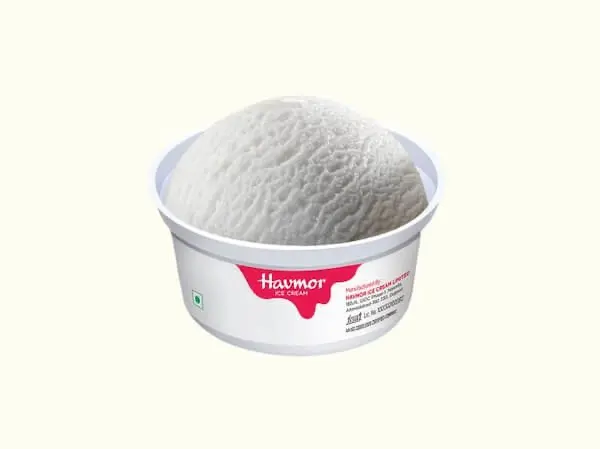
Estimated CapEx and Setup Cost Breakdown
Total setup capital for a Havmor franchise varies significantly by format. A compact kiosk or express takeaway footprint of 150 to 250 sq. ft. generally requires an upfront capital expenditure of ₹12 lakh to ₹18 lakh. Standard dessert parlours and premium scoop lounges ranging between 300 and 800 sq. ft. demand an investment between ₹20 lakh and ₹38 lakh.
Prospective operators must budget beyond basic interior décor. Specialised commercial equipment—such as ventilated dipping cabinets, blast-resistant display freezers, cold-stone granite preparation slabs, POS software, and continuous backup generators (diesel or high-capacity inverter setups)—accounts for the bulk of initial capital allocation.
| Capital Expenditure Component | Kiosk / Express (150–250 sq. ft.) | Standard Parlour / Lounge (300–800 sq. ft.) |
|---|---|---|
| One-time Brand Franchise Fee | ₹2,50,000 – ₹3,50,000 | ₹3,50,000 – ₹5,50,000 |
| Commercial Freezers, Dipping Counters & POS | ₹4,50,000 – ₹6,50,000 | ₹7,50,000 – ₹12,00,000 |
| Store Interiors, HVAC, & Signage | ₹3,00,000 – ₹4,50,000 | ₹6,00,000 – ₹11,00,000 |
| Electrical Infrastructure & Power Backup (Genset) | ₹1,00,000 – ₹1,80,000 | ₹2,00,000 – ₹3,50,000 |
| Initial Stock & Opening Working Capital | ₹1,50,000 – ₹2,50,000 | ₹3,00,000 – ₹5,00,000 |
| Total Estimated Initial Investment | ₹12,50,000 – ₹18,80,000 | ₹22,00,000 – ₹37,00,000 |
Realistic Gross Margins vs. Net Take-Home Yields
Marketing brochures frequently quote baseline product margins between 18% and 25%, but an operational P&L audit reveals essential nuance. Pre-packaged consumer units (take-home family tubs, novelties, and impulse bars) generate retail margins in the 18% to 22% bracket. In contrast, scooped ice cream, custom sundaes, milkshakes, and specialty ice cream cakes yield gross margins ranging between 45% and 55%.
Net operating margins, however, absorb heavy utility overheads. Commercial sub-zero refrigeration runs non-stop, making monthly electricity bills one of the single largest recurring cost centres (often 6% to 9% of gross revenue). When factoring in commercial prime-location rent, staffing, packaging consumables, melting shrinkage, and local licensing fees, realistic net profitability generally settles between 11% and 17%. Payback periods across well-managed urban locations average 18 to 30 months, heavily indexed to peak revenue earned during the pre-monsoon summer quarters.
Recommended For You:
My Guide to Arun Ice Cream Franchise Investment in India [2026]
Direct Online Application Architecture
Havmor maintains an institutional onboarding protocol for franchise evaluation. The standard qualification pipeline involves property vetting, financial verification, and territory checks before commercial agreements are executed:
Applications must be initiated exclusively through the official corporate domain under their business partnership portal. Applicants must provide detailed property documentation, including clear carpet area measurements, front-facing road frontage (minimum 10 to 12 feet recommended for display visibility), commercial zoning clearance, and photographic documentation of surrounding foot-traffic drivers.
Following the initial digital submission, corporate business development representatives conduct an on-ground site feasibility study. If the location passes radius clearance norms to prevent self-cannibalisation with nearby outlets, the applicant receives formal Letter of Intent (LOI) terms, store architecture schematics, and equipment vendor guidelines.
Consumer & Investor Alert: Franchise Fee Fraud Warning
Due to the high consumer brand recall of ice cream franchises in India, cyber-fraud syndicates frequently register deceptive typo-squatted domains and run sponsored ads on search engines. Fraudsters issue forged “Franchise Approval Letters” and request token security clearances or “NOC charges” into personal or fraudulent current accounts via UPI/NEFT. Note that legitimate corporate brands never request security deposits before formal legal documentation, background vetting, and in-person meetings at official corporate offices. Always verify company account credentials directly via corporate touchpoints before transferring capital.
Comparative Market Matrix: Havmor vs. Amul vs. Baskin Robbins
Selecting the right ice cream franchise requires balancing entry CapEx against target demographics. A franchise setup cannot succeed if the unit economics do not match local purchasing power and traffic density:
| Metric / Parameter | Amul Preferred Outlet (APO) | Havmor Ice Cream Parlour | Baskin Robbins |
|---|---|---|---|
| Target Market Position | Mass-market value retail | Mid-to-premium dessert parlour | Super-premium boutique parlour |
| Estimated Total CapEx | ₹3,00,000 – ₹6,00,000 | ₹12,00,000 – ₹35,00,000 | ₹28,00,000 – ₹55,00,000 |
| Franchise Brand Fee | Zero (Refundable deposit only) | ₹2,50,000 – ₹5,00,000 | ₹4,50,000 – ₹6,00,000 |
| Gross Product Margins | 10% to 20% | 18% to 55% (Format dependent) | 40% to 58% |
| Average Ticket Size | Low (₹30 – ₹120) | Moderate (₹120 – ₹350) | High (₹200 – ₹600) |
| Primary Strategic Risk | Low margins require immense volume | High cold-chain power consumption | Price sensitivity in non-metro areas |