Distributorship vs. Franchise: Understanding the Adda Business Model
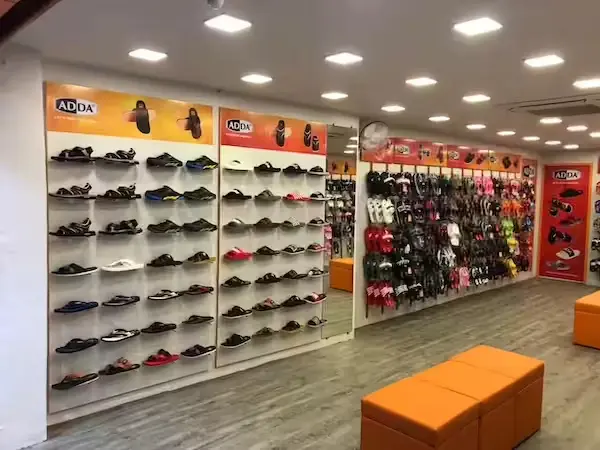
Opening an exclusive Adda showroom is uncommon and largely restricted to multi-brand footwear aggregators who choose to brand their storefronts locally.
For an entrepreneur, partnering with the brand generally means securing an authorized regional distributorship or adding Adda footwear inventory to an existing or new multi-brand retail shop. Treating this partnership as a conventional corporate franchise that charges ongoing royalties or mandatory upfront license fees is fundamentally inaccurate.
Critical Scam Warning: Fake Franchise Portals & Allotment Fees
Red Flag Advisory: Beware of Fraudulent Registration Charges
Numerous counterfeit websites and unauthorized broker agencies advertise online application forms promising exclusive “Adda Footwear Dealerships” or “Distributor Allotments.” These fraudulent operators typically request upfront documentation charges, stamp-paper fees, or security deposits ranging from ₹15,000 to ₹1,00,000 via UPI or personal bank accounts prior to any physical meeting.
Verification Standard: Legitimate footwear manufacturers and genuine regional C&F agents never demand non-refundable application or registration fees through unverified online forms. Commercial transactions begin only after in-person due diligence, verification of your GST registration, inspection of your warehouse or retail commercial space, and execution of formal trade credit or supply documentation.
Realistic CapEx & Working Capital Breakdown (2026 Estimates)
The total capital expenditure depends on whether you are establishing a regional wholesale distributorship (warehousing and supply logistics) or a direct retail footwear counter. Unlike retail franchises where high budgets are absorbed by luxury interior aesthetics, budget footwear distribution allocates the majority of initial funds toward rotating inventory and logistics.
| Cost Head | Retail Counter / MBO Setup (400–600 sq. ft.) | Wholesale Distributorship (800–1,500 sq. ft. Godown) |
|---|---|---|
| Initial Stock / Primary Inventory | ₹4,00,000 – ₹7,00,000 | ₹12,00,000 – ₹20,00,000 |
| Commercial Deposit (Rental Advance) | ₹1,00,000 – ₹2,50,000 | ₹1,50,000 – ₹3,00,000 |
| Interior Racks, Display & Billing Systems | ₹2,00,000 – ₹3,50,000 | ₹75,000 – ₹1,50,000 (Basic Pallet/Steel Racks) |
| Working Capital Reserve (90-Day Buffer) | ₹1,50,000 – ₹2,50,000 | ₹4,00,000 – ₹7,00,000 (Market Credit Absorption) |
| Franchise / Royalty Fee | ₹0 (Zero) | ₹0 (Zero) |
| Estimated Total Outlay | ₹8,50,000 – ₹15,50,000 | ₹18,25,000 – ₹31,50,000 |
A significant portion of working capital in a wholesale distribution business is absorbed by the trade credit cycle. Distributors must often extend 15 to 45 days of credit to local footwear retailers, making liquid cash flow management critical for replenishing stock from the manufacturer.
Profit Margins, Revenue Economics & Break-Even Reality
Mass-market footwear operates on tight unit margins offset by seasonal volume spikes during back-to-school periods, monsoon season (for water-resistant EVA clogs and slippers), and festive quarters. It is essential to distinguish between wholesale and retail margins when planning cash flow projections.
| Business Channel | Gross Margin | Net Margin (Post-OpEx) | Primary Drivers & Risks |
|---|---|---|---|
| Retail Storefront (MBO) | 28% – 38% | 10% – 16% | Requires prime footfall; dead stock on off-sizes; high shop rental pressure. |
| Wholesale Distributor | 8% – 14% | 3% – 6% | Driven by rotation speed; exposed to retailer bad debts and warehouse utility costs. |
A standalone footwear retail counter operating in a Tier 2 or Tier 3 town generally targets operational break-even within 14 to 20 months. For wholesale distributors, break-even heavily correlates with the number of established retail counters serviced within their allocated territory.
Adda Footwear vs. Competing Mass-Market Brands
Choosing to carry or distribute Adda requires benchmarking its unit economics against domestic competitors with entrenched distribution channels like Relaxo (Sparx, Flite, Bahamas) and Campus Activewear.
| Parameter | Adda Footwear | Relaxo (Flite/Sparx) | Bata India (Franchise) |
|---|---|---|---|
| Primary Target Segment | Value/Budget Daily Wear (Tier 2/3/Rural) | Mass Market & Athleisure (Pan-India) | Mid-to-Premium Family Footwear |
| Model Structure | Wholesale Stockist / Dealership | Distributorship / MBO Dealers | Structured Retail FOFO Franchise |
| Inventory Capital Required | Moderate (₹4L–₹15L) | High (Strict MOQ & territory targets) | High (₹25L–₹40L+ for retail setup) |
| Channel Profitability Type | Volume & Cash Rotation | High-Volume Supply Chain | Margin-Driven Retail Footfall |
Don’t forget to check out other business opportunity: Adidas India Retail Dealership Model Cost
Legitimate Onboarding: Step-by-Step Due Diligence
If you intend to add Adda products to your commercial inventory or apply for an authorized wholesale stockist tier, avoid third-party franchise aggregators and follow standard industry procurement routes:
1. Verify Corporate Entity & Trade Channels: Initiate contact strictly via official manufacturer channels or registered trade representatives (such as Adda Uniglobe / authorized import and manufacturing entities in Delhi/NCR). Never trust social media ads claiming to offer sole dealership rights.
2. Route Through Local Wholesale Mandis: The most direct route to sourcing inventory for a retail footwear shop is through authorized city stockists located in regional footwear distribution hubs (such as Karol Bagh/Chandni Chowk in Delhi, Bapu Bazar in Jaipur, or regional APMC/trade markets). These distributors provide wholesale trade discounts directly based on minimum order quantities (MOQs).
3. Statutory Prerequisites: Ensure you possess an active GSTIN registered under the relevant footwear HSN code (6402/6404), a current bank account under your business entity’s name, and a verified commercial property lease or title deed.
4. Physical Commercial Verification: Genuine company territory sales managers (TSMs) will physically inspect your storage warehouse or retail shop counter before onboarding you as an authorized supply node. Never release bulk payments prior to formal invoice generation.