If you are planning to enter in India’s fashion accessories retail industry, then you can understand the Baggit franchise cost in India is one of the first steps before making any investment. Baggit is a well-known Indian brand specializing in handbags, wallets, backpacks, laptop bags, travel accessories, and fashion essentials. The company has built a strong reputation among customers looking for stylish products at affordable prices.
Although Baggit does not publicly disclose a standard franchise investment on its official website, industry estimates suggest that opening a Baggit franchise or exclusive brand outlet may require an investment ranging between ₹20 lakh and ₹60 lakh, depending on the city, outlet size, interior specifications, and inventory requirements. This estimated cost generally covers store interiors, furniture, branding, initial stock, security deposits, licenses, technology systems, and working capital.
Premium malls in metro cities can push the overall cost closer to ₹60 lakh, while smaller cities with lower rental expenses may allow a store to be established closer to ₹20 lakh to ₹30 lakh. Anyone considering this business opportunity should also verify the latest investment requirements directly with Baggit before proceeding.
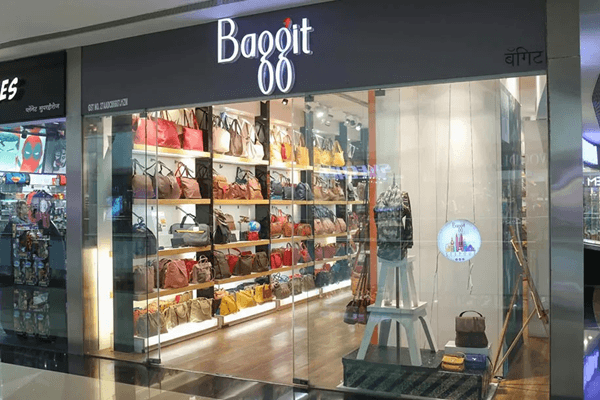
Estimated Baggit Franchise Cost Breakdown in India
The total Baggit franchise cost in India is made up of several individual expenses rather than a single payment. The franchise or brand authorization fee, where applicable, may form one portion of the investment, while the largest expenses usually involve store interiors and inventory.
Interior design, shelving, lighting, billing counters, display fixtures, signage, and branding can collectively cost between ₹6 lakh and ₹18 lakh, depending on store size and location. Initial inventory generally requires another ₹8 lakh to ₹20 lakh, ensuring customers have access to a wide collection of handbags, wallets, office bags, travel products, and seasonal collections.
Security deposits for commercial retail space often range from ₹2 lakh to ₹10 lakh, while licenses, billing software, POS systems, GST registration, and miscellaneous setup expenses may add another ₹1 lakh to ₹3 lakh. It is also advisable to maintain working capital of approximately ₹3 lakh to ₹8 lakh to cover salaries, rent, utilities, and inventory replenishment during the first few months of operation. Altogether, these figures support the estimated total investment range of ₹20 lakh to ₹60 lakh.
Store Requirements and Location Investment Costs
Location significantly influences the overall Baggit franchise cost in India, as rental rates differ widely across Indian cities. A Baggit store generally performs better in premium shopping malls, high-street retail markets, lifestyle shopping centers, or commercial complexes with consistent customer traffic.
Most exclusive stores require approximately 300 to 800 square feet of retail space, although the exact requirement depends on the approved store format. Monthly rent may range between ₹40,000 and ₹3 lakh, depending on whether the outlet is located in a Tier-2 city or a premium metropolitan shopping destination. Security deposits often equal several months of rent, adding ₹2 lakh to ₹10 lakh to the startup cost.
Since rental expenses continue every month, entrepreneurs should include these recurring costs while calculating the total Baggit franchise investment. Selecting a slightly less expensive location with strong customer footfall can sometimes improve profitability without significantly increasing the initial investment.
Monthly Operating Costs After Opening the Store
Beyond the initial Baggit franchise cost in India, business owners must prepare for recurring operational expenses every month. Store rent remains one of the biggest recurring costs, generally ranging between ₹40,000 and ₹3 lakh depending on the location.
Employee salaries for sales executives and store managers may cost between ₹60,000 and ₹2 lakh per month, depending on staffing levels. Electricity, internet services, housekeeping, maintenance, billing software subscriptions, and security services may together require another ₹20,000 to ₹70,000 monthly. Marketing expenses, local promotions, digital advertising, festive campaigns, and customer engagement activities could add ₹20,000 to ₹1 lakh every month.
Inventory replenishment represents another major operational expense, as new fashion collections must regularly replace older stock. Overall, monthly operating costs for a Baggit outlet may range from approximately ₹1.5 lakh to ₹7 lakh, depending on the size and location of the store.
Profit Potential and Return on Investment
The earning potential from a Baggit store depends on customer traffic, location quality, product assortment, operational efficiency, and inventory management. Since the estimated Baggit franchise cost in India ranges from ₹20 lakh to ₹60 lakh, investors naturally want to understand the expected returns before committing capital.
Fashion accessories generally offer attractive retail margins compared to many other retail categories, particularly when supported by a recognized national brand. A well-performing outlet in a busy shopping location may generate monthly sales ranging between ₹6 lakh and ₹25 lakh, although actual revenue varies considerably across cities and seasons.
After deducting rent, employee salaries, operational expenses, taxes, and inventory costs, successful stores may recover their investment within approximately three to five years. However, profitability is never guaranteed, and actual returns depend on store management, local competition, product demand, and consumer spending patterns.
Is the Baggit Franchise Worth the Investment?
For entrepreneurs interested in fashion retail, the estimated Baggit franchise cost in India of ₹20 lakh to ₹60 lakh represents a moderate investment compared to many premium apparel and lifestyle brands. Baggit’s established brand recognition, diverse product range, and presence across Indian retail markets provide a solid foundation for attracting customers.
Nevertheless, prospective investors should not rely solely on estimated market figures. Before investing, they should obtain official information regarding franchise availability, authorization models, investment requirements, royalty structures, inventory policies, training support, and operational guidelines directly from the company.
They should also evaluate local demand, nearby competition, expected rental expenses, and projected operating costs to determine whether the business is financially viable in their chosen market. Conducting thorough due diligence before investing can significantly improve the chances of building a successful and profitable retail business.