Bikanervala is a well-known Indian food and sweets brand. It is associated with traditional sweets, snacks, North Indian food, and quick-service dining. The brand has built strong recognition in India and overseas markets. Its outlets serve products such as rasgulla, kaju sweets, samosas, chaat, thalis, and other Indian favourites.
The Bikanervala franchise cost in India can vary widely. A smaller food outlet needs less capital. A large restaurant needs much more. For 2026, a practical investment range can be around ₹50 lakh to ₹2 crore or more. The final amount depends on the outlet model, property, city, size, interiors, equipment, deposits, and working capital.
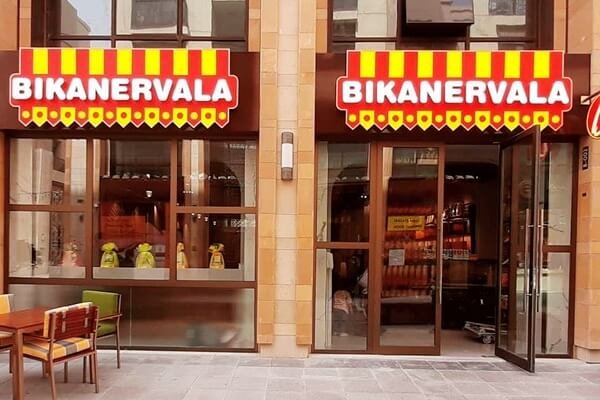
Bikanervala Franchise Investment
A Bikanervala outlet requires more than the franchise fee. The total investment also covers interiors, kitchen equipment, furniture, signage, technology, licenses, initial stock, and operating funds. A compact format may require approximately ₹50 lakh to ₹80 lakh. A larger dine-in restaurant can move towards ₹1 crore to ₹2 crore or more.
The property itself can change the budget sharply. A premium location may require a large security deposit and higher rent. This means two outlets with similar sizes can have very different total costs. Entrepreneurs should therefore prepare a complete project budget before committing capital. Keeping an additional ₹10 lakh to ₹25 lakh as working capital can also provide useful breathing room during the opening period.
Bikanervala Franchise Fee
The franchise fee is only one part of the Bikanervala franchise cost. The exact fee can depend on the business format and agreement. A prospective franchise partner should confirm the current commercial terms directly with Bikanervala before making any payment.
For planning purposes, the franchise-related expense should be considered alongside the overall investment of roughly ₹50 lakh to ₹2 crore+. Do not judge the opportunity only by the franchise fee. Construction, kitchen setup, rent deposits, staff recruitment, licenses, opening stock, and marketing can create a much larger expense.
Outlet Setup Cost
The outlet setup can become one of the biggest parts of the investment. A branded sweets and restaurant outlet needs an attractive customer area. It also needs a commercial kitchen and suitable storage. Electrical work, air conditioning, plumbing, flooring, furniture, counters, lighting, signage, and kitchen equipment can add substantial costs.
For a 2026 business plan, an entrepreneur could keep approximately ₹25 lakh to ₹75 lakh or more for interiors, equipment, fixtures, and related setup work. The actual amount will depend on the outlet’s size and condition of the premises. A ready commercial property may need less work. A bare-shell property can require considerably more spending.
Working Capital Requirement
Working capital is important during the first few months. The outlet needs money for salaries, rent, utilities, raw materials, packaging, maintenance, local promotions, and other daily expenses. Sales may take time to reach a stable level.
A reasonable planning figure can be around ₹10 lakh to ₹25 lakh for initial working capital, although a larger restaurant may need more. This amount should be kept separate from the construction budget. Having sufficient cash reserves can reduce pressure during the early operating period. The actual requirement will depend on monthly rent, employee count, outlet size, and expected sales.
Bikanervala Franchise Cost in Mumbai
Mumbai is one of India’s most expensive retail markets. Property expenses can therefore push the Bikanervala investment higher. A suitable outlet may require a total budget of around ₹1 crore to ₹2.5 crore or more.
Rent deposits, interiors, equipment, and premium locations can significantly affect the final figure. Careful site selection is important because a high-cost property can increase monthly expenses.
Bikanervala Franchise Cost in Delhi
Delhi is a strong market for Indian sweets and vegetarian food. Bikanervala already has considerable brand recognition in the region. A new outlet could require approximately ₹80 lakh to ₹2 crore+, depending on format and location.
Prime commercial areas may increase rental deposits and setup expenses. A well-planned outlet in a high-footfall location can require a larger upfront budget than a smaller neighbourhood format.
Bikanervala Franchise Cost in Bengaluru
Bengaluru offers a large customer base for organised food brands. However, premium commercial areas can be expensive. An estimated Bikanervala investment could range from ₹70 lakh to ₹1.8 crore or more.
The final cost depends on outlet size, interiors, kitchen requirements, and property terms. Areas with strong office and residential traffic may have higher rental costs but can also provide attractive customer potential.
Bikanervala Franchise Cost in Hyderabad
Hyderabad has a growing organised food market. It also has strong demand for sweets, snacks, and family dining. A Bikanervala outlet may need around ₹65 lakh to ₹1.7 crore+ as an indicative investment.
Larger restaurants will require more capital. Rent, interiors, kitchen equipment, staff costs, and working capital should all be included when calculating the complete project budget.
Bikanervala Franchise Cost in Pune
Pune has a sizeable student, professional, and family customer base. This can make Indian quick-service and casual dining concepts attractive. A practical investment estimate for a Bikanervala outlet could be ₹60 lakh to ₹1.6 crore or more.
The budget will change with the property. A large dine-in format in a premium shopping area can cost considerably more than a compact outlet.
Is Bikanervala Franchise Profitable?
Profitability depends on sales, rent, food costs, staffing, wastage, local competition, and outlet management. A famous brand can help attract customers, but it does not guarantee profits. An outlet with excessive rent can struggle even when sales are strong.
For an investment of approximately ₹50 lakh to ₹2 crore+, the business should be evaluated using realistic sales and expense projections. Investors should calculate expected monthly revenue before signing a franchise agreement. They should also consider taxes, royalty or other applicable charges, salaries, utilities, maintenance, and marketing expenses. A professional financial assessment can provide a clearer picture of potential returns.
Documents and Approvals
A food outlet requires several operational approvals. These can include business registrations, food-related permissions, local municipal approvals, fire and safety requirements, signage permissions, and other documents applicable to the premises. The exact requirements vary by location and outlet structure.
Applicants should keep a separate budget for licenses, professional services, deposits, and compliance work. An initial provision of around ₹2 lakh to ₹8 lakh can be considered for planning purposes, although actual costs may be lower or higher. The brand’s franchise team and local authorities should be consulted for the latest requirements.
How to Apply for a Bikanervala Franchise
The safest approach is to contact Bikanervala through its official channels and ask about the current franchise programme. The applicant can discuss the preferred city, property, outlet format, investment capacity, and business experience. The company can then explain whether the proposed location and format meet its requirements.
Before paying any franchise-related amount, request the current commercial terms in writing. Confirm the total investment, franchise fee, agreement period, renewal conditions, royalty or other charges, brand support, property requirements, and estimated setup expenses. A complete financial plan should account for the full ₹50 lakh to ₹2 crore+ investment range rather than focusing only on one fee.
Bikanervala Franchise Cost
Bikanervala can be an interesting opportunity for entrepreneurs looking at the Indian sweets, snacks, and restaurant sector. Its established name can provide a useful starting point. However, the required capital can be substantial. A compact outlet may fall near ₹50 lakh, while a large restaurant in a premium market can cross ₹2 crore.
The best investment figure depends on the selected format and property. Investors should not rely on a single online number. They should obtain a current quotation from Bikanervala and prepare a location-specific budget. This approach gives a much clearer view of the money required before entering the business.