Biryani by Kilo, commonly known as BBK, is an Indian food brand built around freshly cooked biryani. The brand is known for preparing biryani in individual handi-style pots. Its menu also includes kebabs, curries, desserts, and beverages. The concept combines traditional presentation with organised restaurant operations.
The investment required for a Biryani by Kilo outlet can vary significantly. There is no single cost that applies to every location. For 2026 planning, a reasonable indicative range is around ₹50 lakh to ₹1.5 crore or more. The final figure depends on the restaurant format, floor area, property condition, location, equipment, interiors, inventory, working capital, and the commercial terms offered by the company.
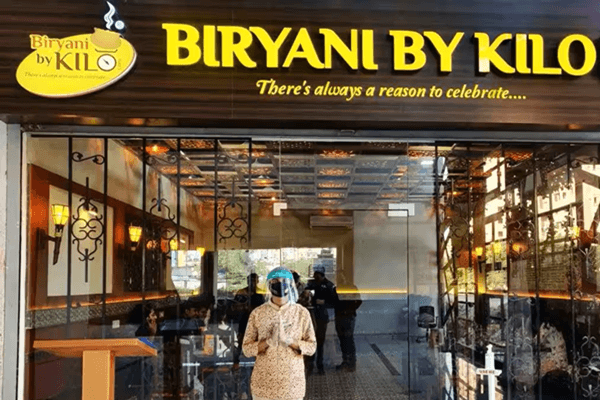
Biryani by Kilo Franchise Investment
The total investment should be viewed as a complete project cost. It is not limited to the franchise fee. Property expenses, kitchen equipment, interiors, furniture, signage, licenses, technology, opening inventory, staff recruitment, and working capital can all affect the final amount.
A prospective investor can use ₹50 lakh to ₹1.5 crore+ as an initial planning range. A smaller outlet may stay near the lower end. A larger dine-in restaurant can cross ₹1 crore. Premium locations can increase the cost further. Investors should obtain a location-specific quotation before deciding whether their available capital is sufficient.
Marketing and Launch Expenses
Marketing is an important part of opening a new food outlet. Customers need to know that the Biryani by Kilo restaurant has arrived in their area. Pre-launch promotions can include local advertising, digital campaigns, outdoor branding, food delivery promotions, and opening offers. A starting marketing budget of around ₹3 lakh to ₹8 lakh can be considered for the launch period. The actual amount will depend on the city and promotional plan.
Digital marketing can require another ₹1 lakh to ₹3 lakh during the early months. This may cover local social media campaigns, photography, promotional content, and online advertising. Delivery platforms may also involve commissions and promotional spending. These expenses should be included in the overall ₹50 lakh to ₹1.5 crore+ investment plan.
Staff and Training Cost
A restaurant needs trained people from the first day. Chefs, kitchen assistants, service employees, cashiers, supervisors, and cleaning staff can all be required. Recruitment and training can create an initial expense of around ₹2 lakh to ₹5 lakh. Monthly salaries will then depend on the team size and city.
Uniforms, induction sessions, food-safety training, and pre-opening wages may add another ₹1 lakh to ₹3 lakh. Therefore, investors planning a total investment of ₹50 lakh to ₹1.5 crore+ should keep a separate amount for employee-related opening costs. Proper staffing can also help maintain food quality and customer service during the crucial first months.
Biryani by Kilo Franchise Fee
The franchise fee should be confirmed directly with Biryani by Kilo. Franchise terms may differ according to the format and location. An online figure should not be treated as an official 2026 fee unless it comes from the company.
The franchise fee is only one component of a possible ₹50 lakh to ₹1.5 crore+ investment. Other expenses can be much larger. Before making any payment, the applicant should request a written breakdown of the initial fee, recurring charges, royalty, marketing contribution, renewal terms, and other applicable costs.
Restaurant Interior Cost
Biryani by Kilo outlets need a suitable customer area and functional kitchen. Interiors can include flooring, seating, lighting, wall finishes, counters, air conditioning, plumbing, electrical work, storage, and brand signage.
For preliminary planning, approximately ₹20 lakh to ₹50 lakh may be allocated for interiors and associated setup work. The actual figure can change sharply. A restaurant opened inside a premium commercial property can require more than ₹50 lakh for fit-out. A smaller or already-developed property may reduce the setup expense.
Kitchen and Equipment Cost
A biryani restaurant needs commercial-grade equipment. Cooking units, refrigerators, freezers, preparation counters, exhaust systems, storage racks, utensils, washing facilities, and other kitchen items contribute to the setup cost.
An indicative allowance of around ₹10 lakh to ₹25 lakh can be considered for kitchen equipment and related food-service infrastructure. The actual requirement depends on the outlet size and menu. This amount forms part of the wider ₹50 lakh to ₹1.5 crore+ project budget. Final equipment costs should be based on current supplier quotations and company specifications.
Initial Inventory Cost
Opening inventory is another expense that should not be overlooked. The restaurant needs rice, spices, meat, vegetables, cooking ingredients, beverages, packaging materials, cleaning products, and other supplies.
A preliminary opening-stock budget of around ₹3 lakh to ₹8 lakh may be appropriate. The amount can increase for a larger restaurant. Inventory planning should also consider wastage and replenishment cycles. Keeping this expense inside the ₹50 lakh to ₹1.5 crore+ investment plan can prevent cash-flow problems after opening.
Working Capital Requirement
The first few months can require additional cash. Rent, salaries, utilities, ingredients, delivery-related expenses, maintenance, local advertising, and other bills continue even when sales are still developing.
An investor could consider keeping around ₹10 lakh to ₹25 lakh as an initial working-capital reserve. A larger outlet may need more. This reserve should not be spent entirely on interiors. Maintaining adequate funds within the total ₹50 lakh to ₹1.5 crore+ investment can give the restaurant more time to establish regular sales.
Biryani by Kilo Franchise Cost in Delhi
Delhi is an important market for biryani and organised food brands. A Biryani by Kilo outlet in a busy commercial area could require approximately ₹70 lakh to ₹1.5 crore+. Rent deposits and premium interiors can raise the budget. A smaller location may cost less than ₹70 lakh. Investors should also keep around ₹10 lakh to ₹20 lakh for initial working capital.
Biryani by Kilo Franchise Cost in Mumbai
Mumbai can involve high property and occupancy costs. A suitable BBK restaurant could require around ₹80 lakh to ₹1.7 crore+, depending on the outlet format. A premium shopping or high-street property may increase the initial capital requirement. A smaller format can reduce costs. Around ₹10 lakh to ₹25 lakh should also be considered for working capital within the broader investment plan.
Biryani by Kilo Franchise Cost in Bengaluru
Bengaluru has a strong market for organised dining and food delivery. An outlet could involve an indicative investment of around ₹60 lakh to ₹1.3 crore+. The property, seating capacity, kitchen requirements, and interiors will influence the final figure. An investor may also reserve around ₹10 lakh to ₹20 lakh for operating expenses during the initial period.
Biryani by Kilo Franchise Cost in Hyderabad
Hyderabad has a deep food culture and strong demand for biryani. A BBK outlet may require approximately ₹55 lakh to ₹1.2 crore+. Larger dine-in formats can exceed ₹1 crore after property and setup expenses. A working-capital reserve of around ₹8 lakh to ₹20 lakh can also be considered. Final costs should be confirmed for the chosen property.
Biryani by Kilo Franchise Cost in Pune
Pune has a large base of professionals, students, and families. This creates opportunities for casual dining and delivery-focused food businesses. An indicative BBK investment could be around ₹50 lakh to ₹1.1 crore+. A compact outlet may need less. A premium restaurant can require more. Investors should consider approximately ₹8 lakh to ₹18 lakh separately for early operating expenses.
Licenses and Pre-Opening Expenses
A restaurant needs appropriate registrations and permissions before opening. The exact requirements depend on the city, property, business structure, and restaurant format. Food-related licensing, local permissions, fire and safety requirements, signage approvals, and professional services can create additional costs.
A preliminary allowance of around ₹2 lakh to ₹7 lakh can be kept for these expenses. Staff recruitment, uniforms, training, launch marketing, and pre-opening activities can add another ₹2 lakh to ₹6 lakh. These costs should be included in the broader ₹50 lakh to ₹1.5 crore+ financial plan.
Is Biryani by Kilo Franchise Profitable?
Profitability depends on the outlet’s sales and operating discipline. Brand recognition can help attract customers. It cannot guarantee a specific profit. Rent, food costs, salaries, delivery commissions, utilities, wastage, discounts, and marketing can affect margins.
For a business requiring around ₹50 lakh to ₹1.5 crore+, the investor should calculate expected monthly revenue carefully. A proper projection should include the average order value, daily orders, food cost, rent, salaries, and other expenses. The location also matters. A high-rent outlet needs stronger sales to justify its ₹1 crore+ investment.
How to Apply for a Biryani by Kilo Franchise
An interested entrepreneur should approach Biryani by Kilo through its official business channels. The applicant can provide details about the proposed city, property, available investment, and preferred restaurant format. The company can then explain the current franchise or partnership opportunity.
Before paying any amount, request the latest commercial information in writing. Confirm the franchise fee, total setup cost, outlet requirements, agreement period, royalty, marketing contribution, equipment specifications, and brand support. This step is important when planning an investment of ₹50 lakh to ₹1.5 crore+.
Biryani by Kilo Franchise Cost
Biryani by Kilo offers a specialised restaurant concept focused on biryani and Indian food. Its distinctive cooking and presentation style can make the concept appealing to customers. However, the required capital can be substantial.
For 2026, an indicative total investment range is around ₹50 lakh to ₹1.5 crore or more. The actual amount can be lower or higher. City, property, outlet size, interiors, equipment, inventory, and working capital all matter. The safest approach is to obtain current commercial terms directly from Biryani by Kilo before treating any figure as final.