Biryani Blues is an Indian food brand focused on biryani and related dishes. The brand has built its identity around convenient biryani meals. Its menu also includes kebabs, starters, beverages, and other Indian food items. The concept suits customers looking for quick meals and casual dining.
For 2026, a Biryani Blues outlet may require an indicative investment of around ₹40 lakh to ₹1 crore. This is not a guaranteed company quotation. The final amount can change with the outlet format, city, property, kitchen size, interiors, equipment, and commercial agreement. A large dine-in outlet can need more capital than a compact food outlet.
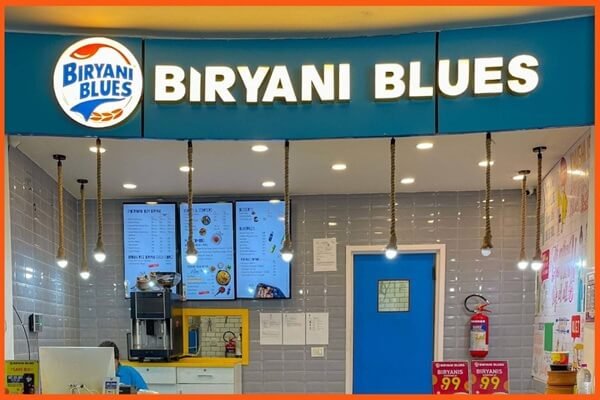
Biryani Blues Franchise Investment
The total franchise investment includes several expenses. The franchise or brand-related charge is only one part of the budget. The entrepreneur may also need to spend on the property, kitchen, furniture, interiors, licenses, technology, opening stock, staff hiring, and working capital.
A practical 2026 planning range is around ₹40 lakh to ₹1 crore or more. A smaller format may stay closer to ₹40 lakh, while a larger restaurant in a premium area can move beyond ₹1 crore. The property condition also matters. A ready-to-use restaurant can reduce setup work. A bare commercial space may require a much larger fit-out budget.
Biryani Blues Franchise Fee
The franchise fee should be confirmed directly with Biryani Blues. There may not be one universal fee for every format and location. Commercial terms can depend on the proposed outlet and agreement.
For budgeting, investors should not treat the franchise fee as the complete investment. A project costing ₹40 lakh to ₹1 crore+ can include many expenses besides the brand fee. Before signing an agreement, ask for the complete fee structure. Confirm whether royalty, marketing charges, renewal fees, technology charges, or other recurring payments apply.
Restaurant Setup Cost
Restaurant development can consume a significant part of the investment. A biryani outlet needs a commercial kitchen. It also requires cooking equipment, refrigeration, exhaust systems, counters, seating, lighting, air conditioning, plumbing, electrical work, signage, and storage.
For an indicative budget, approximately ₹20 lakh to ₹50 lakh could be allocated toward interiors, kitchen equipment, furniture, and other setup requirements. The actual cost can be lower or higher. A larger dine-in restaurant can require more than ₹50 lakh for its complete fit-out. Location and property condition remain major cost factors.
Kitchen Equipment Cost
The kitchen is central to a Biryani Blues outlet. Commercial cooking equipment must support regular food production. Refrigerators, freezers, burners, preparation tables, exhaust systems, storage equipment, utensils, and other appliances can add considerable expense.
An initial kitchen and food-service equipment budget may be around ₹10 lakh to ₹25 lakh, depending on the outlet format. A compact outlet may need less than ₹10 lakh. A larger restaurant can exceed ₹25 lakh. These figures are planning estimates and should be replaced with actual vendor quotations before calculating the final investment of ₹40 lakh to ₹1 crore+.
Working Capital Requirement
Working capital keeps the restaurant running after the opening. The business needs funds for salaries, ingredients, packaging, rent, electricity, cleaning, repairs, marketing, and other daily expenses. Sales can take time to stabilise.
For initial planning, keeping around ₹8 lakh to ₹20 lakh as working capital can be sensible. A larger restaurant may need more. The reserve should remain separate from the construction budget. If an entrepreneur invests the entire ₹40 lakh to ₹1 crore into setup, there may be insufficient cash for early operating expenses.
Biryani Blues Franchise Cost in Delhi
Delhi is a strong market for biryani and quick-service food. A Biryani Blues outlet in a busy commercial or high-footfall location could require approximately ₹60 lakh to ₹1.2 crore+.
Rent and security deposits can increase the opening budget. A smaller outlet outside premium areas may require less than ₹60 lakh. Working capital of around ₹10 lakh to ₹20 lakh should also be considered.
Biryani Blues Franchise Cost in Mumbai
Mumbai can involve higher property and rental expenses. A Biryani Blues restaurant in a premium location may need around ₹70 lakh to ₹1.3 crore+. The final figure depends on the format and property.
A compact outlet can have a lower investment. However, premium interiors and high rental deposits can push the project above ₹1 crore. Investors should maintain a separate reserve of about ₹10 lakh to ₹20 lakh.
Biryani Blues Franchise Cost in Bengaluru
Bengaluru has a large market of students, professionals, families, and food delivery customers. An outlet could require an indicative investment of around ₹55 lakh to ₹1.1 crore+.
A delivery-focused or smaller format may reduce the initial requirement. A full dine-in restaurant can cost more than ₹1 crore. Around ₹10 lakh to ₹20 lakh may be useful for early working capital.
Biryani Blues Franchise Cost in Hyderabad
Hyderabad has a strong association with biryani, making location selection especially important. A Biryani Blues outlet could involve approximately ₹50 lakh to ₹1 crore+ in total investment.
A larger restaurant can exceed ₹1 crore after interiors, kitchen equipment, deposits, and inventory are included. A working-capital reserve of around ₹8 lakh to ₹18 lakh can also be considered.
Biryani Blues Franchise Cost in Pune
Pune offers a mixed customer base of young professionals, students, families, and office workers. An indicative Biryani Blues investment could fall around ₹45 lakh to ₹90 lakh+. A smaller property can reduce the setup budget.
A premium dine-in location can raise it considerably. Investors should consider approximately ₹8 lakh to ₹18 lakh separately for working capital and early operating expenses.
Additional Biryani Blues Franchise Expenses
Apart from the main setup budget, several smaller expenses can affect the total Biryani Blues franchise cost. Branding is one example. Exterior signage, menu boards, promotional material, packaging, and digital displays may require around ₹2 lakh to ₹6 lakh. The amount depends on the outlet size and branding requirements. These expenses should be included in the overall budget of ₹40 lakh to ₹1 crore+.
Staff recruitment can also create an initial expense. A restaurant needs chefs, kitchen helpers, service staff, cashiers, supervisors, and cleaning workers. Recruitment, uniforms, training, and initial salaries could require around ₹2 lakh to ₹5 lakh before the outlet reaches stable sales. This amount should be planned separately from the main ₹40 lakh to ₹1 crore investment.
Opening stock is another important consideration. Ingredients such as rice, spices, meat, vegetables, cooking materials, beverages, and packaging must be available from the first day. An initial stock budget of approximately ₹3 lakh to ₹8 lakh may be suitable for preliminary planning. Actual requirements will depend on the menu and expected daily orders.
Technology can add another ₹1 lakh to ₹4 lakh. This may include billing systems, printers, computers, internet equipment, CCTV, and other restaurant technology. Although these costs are smaller than construction expenses, they still affect the final investment. Keeping a contingency reserve of ₹5 lakh to ₹10 lakh can also protect the business from unexpected expenses during the launch period.
Is Biryani Blues Franchise Profitable?
A food franchise does not provide automatic profits. The result depends on sales, food costs, rent, salaries, delivery commissions, wastage, utilities, marketing, and local competition. A strong brand can help attract customers. Good management is still essential.
For an investment of around ₹40 lakh to ₹1 crore+, the outlet needs healthy sales to generate attractive returns. Investors should prepare a monthly profit projection before committing money. Calculate expected orders, average bill value, food cost, staff expenses, rent, and other charges. Do not rely on claims of guaranteed returns or fixed monthly profits.
Licenses and Other Expenses
A restaurant needs appropriate registrations and permissions before beginning operations. Requirements can vary according to the city and property. Food-related licensing, local approvals, fire and safety requirements, signage permissions, business registrations, and other compliance expenses may apply.
An entrepreneur could keep approximately ₹2 lakh to ₹7 lakh as a preliminary allowance for licenses, professional services, registrations, and related expenses. Actual charges can differ. These costs should be included in the wider ₹40 lakh to ₹1 crore+ project budget rather than treated as unexpected expenses after construction begins.
How to Apply for a Biryani Blues Franchise
An interested entrepreneur should contact Biryani Blues through its official business channels. Share details about the preferred city, property, investment capacity, and proposed outlet format. The company can then explain its current expansion and franchise requirements.
Before paying any amount, request the latest commercial terms in writing. Confirm the franchise fee, total investment, outlet size, agreement period, royalty, marketing charges, equipment requirements, and brand support. A proper business plan should cover the entire ₹40 lakh to ₹1 crore+ investment instead of focusing only on the initial franchise fee.
Biryani Blues Franchise Cost
The Biryani Blues franchise can appeal to entrepreneurs interested in the organised Indian food sector. Biryani has broad customer demand. The business can also work across dine-in, takeaway, and delivery channels. However, the investment should be planned carefully.
For 2026, an indicative Biryani Blues investment can be placed around ₹40 lakh to ₹1 crore or more. A smaller outlet may require less capital. A large restaurant in a premium city can cost considerably more than ₹1 crore. The actual franchise fee and investment must be confirmed with Biryani Blues before signing any agreement or making payment.