Bajaj Auto is one of India’s largest two-wheeler and three-wheeler manufacturers. The company is known for popular motorcycles such as Pulsar, Platina, CT, Dominar, Avenger, and Chetak electric scooters in selected markets. Bajaj has built a strong dealer network across India. This is why many entrepreneurs search for the Bajaj franchise cost in India before entering the automobile business. In practice, Bajaj generally offers dealership opportunities rather than a traditional franchise model.
The estimated investment usually ranges from ₹50 lakh to ₹2.5 crore or more, depending on the dealership format, city, showroom size, workshop facilities, and land costs. Investors who already own commercial property can reduce the total project cost. Since dealership policies may change, applicants should always verify the latest requirements directly with Bajaj Auto before making an investment.
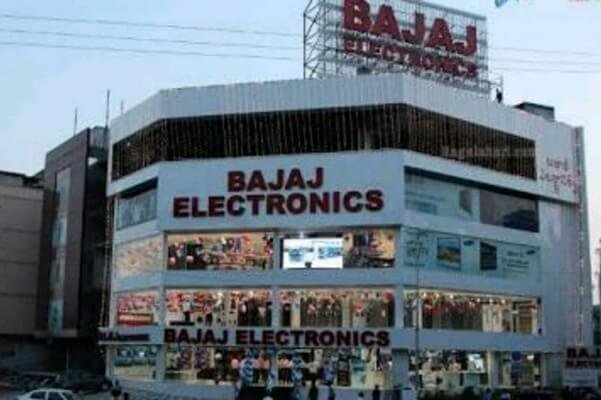
Understanding the Bajaj Dealership Model and Cost
A Bajaj dealership is more than a vehicle showroom. It also includes customer service, vehicle delivery, spare parts, financing support, and after-sales maintenance. Many dealerships operate with an attached workshop to provide repairs and servicing. Because of these facilities, the overall investment generally starts around ₹50 lakh in smaller cities.
A full-scale dealership with a showroom, service center, inventory, and spare parts can require ₹1.5 crore to ₹2.5 crore or more. This investment usually includes showroom interiors, workshop equipment, vehicle display space, office furniture, branding, computer systems, and working capital. The final dealership cost depends on the market size and the infrastructure approved by Bajaj Auto.
Bajaj Franchise Cost Breakdown
The estimated Bajaj dealership cost of ₹50 lakh to ₹2.5 crore covers several major expenses. Commercial land or long-term leased property represents one of the largest costs. In many cities, showroom construction and interiors may require ₹20 lakh to ₹80 lakh depending on the size and design. Workshop equipment, vehicle lifts, diagnostic tools, compressors, and service machinery can cost another ₹15 lakh to ₹50 lakh.
Initial motorcycle inventory and spare parts often require ₹20 lakh to ₹1 crore depending on stock levels. Computers, office equipment, branding, customer waiting areas, and digital systems may add ₹5 lakh to ₹15 lakh. Investors should also keep ₹10 lakh to ₹30 lakh as working capital for salaries, utilities, and daily operations during the early months.
Land and Showroom Requirement
The location of a Bajaj dealership plays a major role in business success. Most dealerships require commercial property on a busy road with high visibility and easy customer access. Depending on Bajaj Auto’s guidelines, the showroom and workshop may require 3,000 to 10,000 square feet or more. Purchasing land in metro cities can cost several crores, while leasing commercial space reduces the initial financial burden.
Monthly rent may range from ₹1 lakh to ₹8 lakh, depending on the city and property size. Along with rent or land purchase, investors should also budget for showroom interiors, parking areas, customer lounges, and workshop construction. These expenses contribute to the overall investment of ₹50 lakh to ₹2.5 crore or more.
Eligibility and Financial Requirements
Bajaj Auto generally prefers applicants who have strong financial resources and the ability to manage a large business operation. Experience in automobile sales is beneficial but may not always be mandatory. Investors should demonstrate the capacity to invest ₹50 lakh to ₹2.5 crore based on the approved dealership model.
Applicants must also provide suitable commercial property, complete business registrations, and comply with local regulations. Financial stability is important because dealerships require continuous investment in vehicle inventory, staff salaries, marketing, and customer support. Bajaj Auto may also evaluate business experience, market potential, and infrastructure before approving a dealership application.
Monthly Operating Cost
Running a Bajaj dealership involves regular operating expenses beyond the initial investment. Employee salaries, electricity, internet, security, insurance, marketing, and maintenance create monthly financial commitments. A dealership with a workshop also spends money on equipment servicing, spare parts management, and customer support. Depending on the business size, monthly operating expenses may range from ₹5 lakh to ₹30 lakh.
Salaries for sales executives, technicians, service advisors, accountants, and administrative staff may account for ₹2 lakh to ₹15 lakh every month. Although the startup investment ranges from ₹50 lakh to ₹2.5 crore, maintaining sufficient working capital remains essential for smooth business operations.
Income Potential and Return on Investment
India continues to be one of the world’s largest two-wheeler markets. Rising mobility needs, rural demand, and growing personal transportation requirements support long-term vehicle sales. A well-managed Bajaj dealership located in a busy market can generate revenue from motorcycle sales, servicing, spare parts, accessories, insurance, and finance commissions.
Since the investment generally falls between ₹50 lakh and ₹2.5 crore, the return depends on vehicle sales volume, service income, operational efficiency, and customer satisfaction. Many successful dealerships earn stable profits because after-sales service generates recurring revenue throughout the year. Business growth usually improves as the customer base expands over time.
Additional Costs That Investors Should Expect
Many investors calculate only the dealership cost of ₹50 lakh to ₹2.5 crore and overlook several recurring expenses. Local advertising, employee training, software upgrades, showroom renovation, workshop maintenance, and insurance renewals increase business costs every year. Inflation can also raise electricity bills, labour charges, and transportation expenses.
Seasonal promotional campaigns may require additional marketing budgets. Unexpected repairs to workshop equipment can further increase operational spending. Keeping a financial reserve beyond the planned investment helps maintain smooth operations and prevents cash flow problems during slower business periods.
Is Bajaj Dealership Worth the Investment?
Bajaj Auto remains one of India’s strongest automobile brands with a loyal customer base and nationwide recognition. The company offers motorcycles across different price segments, making the dealership attractive for long-term investors. Although the required investment of ₹50 lakh to ₹2.5 crore is substantial, the business benefits from multiple income sources including vehicle sales, servicing, spare parts, and accessories.
Success depends on choosing the right location, hiring skilled employees, maintaining excellent customer service, and managing inventory efficiently. Investors should carefully review the latest dealership policies, commercial terms, and infrastructure requirements before making any financial commitment.
The Bajaj franchise cost in India, which is more accurately described as a Bajaj dealership investment, is generally estimated between ₹50 lakh and ₹2.5 crore or more. The total project cost depends on the showroom size, workshop facilities, inventory, commercial property, and local market conditions. Along with startup expenses, investors should also prepare for ongoing operating costs and working capital requirements.
Bajaj Auto continues to be one of India’s leading automotive brands, offering long-term business opportunities for qualified entrepreneurs. Before applying, always confirm the latest dealership eligibility, investment requirements, and commercial policies directly with Bajaj Auto.