The heating, ventilation, and air conditioning (HVAC) market in India has experienced exponential growth, propelled by rising summer heatwaves, rapid real estate development, and widespread adoption of energy-efficient inverter systems. Within this sector, Daikin Airconditioning India Pvt. Ltd. (a 100% subsidiary of Japan’s Daikin Industries) holds a commanding market share, particularly across premium residential spaces and commercial variable refrigerant volume (VRV) installations. As a result, consumer electronics retailers and HVAC engineers routinely look into launching a Daikin dealership or branded outlet.
Before deploying capital, prospective partners must understand the commercial setup: Daikin does not operate a standardized, low-cost retail franchise model. Instead, the brand expands through authorized distributorships, multi-tier dealerships, and flagship experiential showrooms known as Daikin Solution Plazas.
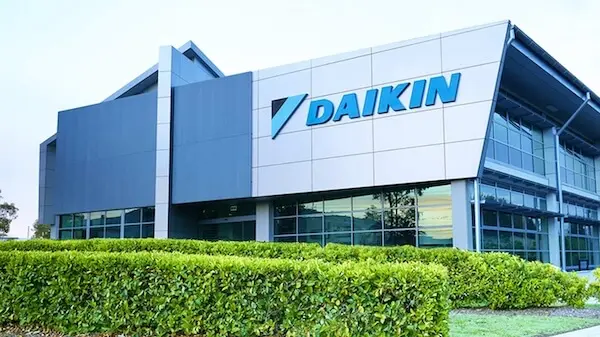
Dealership Formats: Retail Dealership vs. Daikin Solution Plaza
Daikin divides its sales and channel distribution into distinct operational tiers based on market density, technical competence, and investment readiness:
Authorized Retail Dealership (Multi-Brand / Dedicated Counter): An entry-level retail format where an existing electronics or appliance dealer dedicates designated floor space to Daikin residential split and cassette air conditioners. This tier requires lower capital outlay and primarily focuses on retail customer footfalls and residential box sales.
Daikin Solution Plaza (Exclusive Experiential Showroom): The company’s premier experiential franchise format. These flagship outlets feature functioning demonstration units, residential air purifiers, cassette systems, and commercial VRV home solutions. These centers serve as regional sales hubs catering to architects, interior decorators, MEP consultants, and high-net-worth homeowners.
Authorized Service & Installation Partner (TASC): Independent technical service hubs that partner with Daikin to execute certified installations, warranty repairs, and corporate Annual Maintenance Contracts (AMCs) across residential and commercial sectors.
Estimated Capital Outlay & Showroom Setup Costs
Entering the Daikin channel network requires an investment commitment ranging between ₹15 Lakh and ₹55 Lakh, determined by outlet format, floor space, and opening inventory stock.
| Investment Component | Authorized Retail Dealership | Daikin Solution Plaza (Exclusive) |
|---|---|---|
| Refundable Security Deposit | ₹2,00,000 – ₹3,00,000 | ₹5,00,000 – ₹8,00,000 |
| Showroom Fit-out & Live Display | ₹3,00,000 – ₹6,00,000 | ₹12,00,000 – ₹20,00,000 |
| Initial Inventory Purchase | ₹8,00,000 – ₹15,00,000 | ₹18,00,000 – ₹30,00,000 |
| Technical Tools & Service Gear | ₹1,00,000 – ₹2,00,000 | ₹2,50,000 – ₹4,00,000 |
| Working Capital Contingency | ₹2,00,000 – ₹4,00,000 | ₹5,00,000 – ₹8,00,000 |
| Total Estimated Investment | ₹16 Lakh – ₹30 Lakh | ₹42.5 Lakh – ₹70 Lakh |
Showroom Dimensions & Technical Requirements
Air conditioning showrooms require dedicated architectural features to accommodate outdoor condensing units, indoor wall mountings, and operational demo areas:
Carpet Area Norms: A standard multi-brand retail counter requires roughly 250 to 500 sq. ft. of showroom space. In contrast, an exclusive Daikin Solution Plaza demands a prominent commercial floor plate of 800 to 1,500 square feet to properly display live VRV multi-split ceiling units alongside residential inverter models.
Power Infrastructure: Exclusive showrooms require heavy-duty 3-phase commercial electrical connections (15 kVA to 25 kVA) with dedicated outdoor staging areas to mount live condenser units without violating local building codes.
High-Street Catchment: Locations must feature at least 15 to 25 feet of ground-floor glass frontage situated along major electrical and appliance markets, furniture corridors, or developing residential growth corridors.
HVAC Unit Economics: Product Margins & Year-Round Revenue
While residential AC retail sales follow severe seasonal spikes during the pre-summer and peak summer months (February through June), sustainable HVAC businesses maintain year-round profitability by diversifying their cash flow sources:
Hardware Sales Margins: Primary dealer margins on standard residential 3-star and 5-star split air conditioners generally sit between 7% and 12% on dealer billing prices. Margins on commercial VRV systems, ducted units, and light commercial ceiling cassettes are higher, frequently reaching 14% to 18%.
After-Sales & Installation Income: Hardware sales lead directly into lucrative after-sales service revenue. Authorized dealers earn standardized installation fees (₹1,200 to ₹2,500 per split system, plus copper piping extras) and recurring income through post-warranty Annual Maintenance Contracts (AMCs).
Blended Profitability: A well-managed Daikin Solution Plaza generating annual turnover between ₹1.5 Crore and ₹4 Crore typically achieves a net operating margin of 8% to 13% after deducting retail lease expenses, sales commissions, HVAC technicians’ wages, and transport logistics.
Investment Comparison: Daikin vs. Leading AC Brand Dealerships
Evaluating financial benchmarks across India’s premier cooling brands provides clear perspective on where Daikin stands in the market:
| HVAC Brand | Core Market Strengths | Estimated Capital Outlay | Typical Margins |
|---|---|---|---|
| Daikin India | Premium Inverter Split ACs & VRV Systems | ₹16 Lakh – ₹70 Lakh | 8% – 14% |
| Voltas (Tata) | Mass-Market Residential Split & Window ACs | ₹15 Lakh – ₹45 Lakh | 7% – 11% |
| Blue Star | Commercial Refrigeration & Inverter ACs | ₹18 Lakh – ₹55 Lakh | 8% – 13% |
| Mitsubishi Electric | High-End Japanese Precision & VRF Projects | ₹20 Lakh – ₹65 Lakh | 9% – 15% |
To examine how other global engineering and logistics brands license their businesses in India, review our detailed guide on the DHL Service Center Model or check commercial real estate terms in our Arvind Store Franchise Analysis.
Official Onboarding Procedure: How to Apply Legally
- Submit Trade Inquiry: Navigate to Daikin India’s verified corporate portal and locate the “Partner With Us” or “Submit Interest” business section.
- Provide Financial & Commercial Details: Furnish documented proof of business registration (GST, trade license), annual turnover figures, and the physical blueprint of the proposed retail property.
- Territory Review & Field Audit: Daikin’s regional sales manager conducts an on-site territory assessment to verify commercial potential and avoid sales cannibalization with neighboring dealers.
- Contract Execution & Technical Training: Following corporate vetting, you deposit the company security deposit, sign the dealership agreement, and send your technical staff to Daikin’s regional training centers for service certification.
Disclaimer: Cost Guide India is an independent market research publication. We are not officially affiliated with, endorsed by, or associated with Daikin Airconditioning India Pvt. Ltd. or Daikin Industries, Ltd. Dealership investment ranges, margin structures, and commercial terms cited are gathered from HVAC industry benchmarks and public commercial trade filings for informational analysis.