How Much Does It Cost to Setup Dark Store in India in 2026?
Setting up a dark store in India in 2026 typically requires an investment ranging from about ₹15 lakh to ₹50 lakh for a small-to-mid scale operation, while larger or high-volume franchise-style setups (like those linked with quick-commerce players) can go up to ₹80 lakh–₹1 crore depending on city, size, and inventory scale. This cost includes key components such as warehouse rent or deposit (for 1,500–4,000 sq. ft. space), interior setup and industrial racks, cold storage units, basic technology systems, licenses, and initial inventory stocking, which alone can take a major chunk of capital.
In Tier-2 cities, you can start lean with ₹15–30 lakh, whereas metro cities usually require ₹25–50 lakh due to higher real estate and operational costs; additionally, monthly running expenses like staff salaries, utilities, and maintenance may range from ₹3–7 lakh depending on order volume and scale.
Overall, the exact cost depends heavily on location, partner model (Blinkit/Zepto/Instamart), and operational scale, but most entrepreneurs should plan for at least ₹25–40 lakh for a sustainable and competitive dark store setup in 2026.
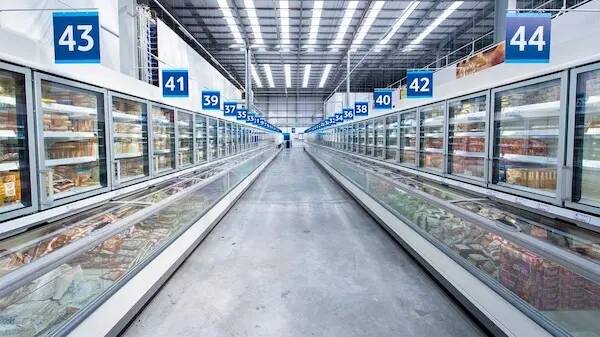
Investment and Profit Requirement
The investment and profit requirements for a dark store business in India in 2026 generally involve an initial setup cost of around ₹15 lakh to ₹50 lakh for a small-to-medium operation, while larger, high-demand stores (especially those tied to quick-commerce platforms like Blinkit, Zepto, or Swiggy Instamart) may require ₹50 lakh to ₹1 crore depending on scale, location, and inventory depth.
On the profit side, margins are typically moderate, with average net profit ranging from 8% to 15% after expenses, translating to monthly earnings of about ₹1.5 lakh to ₹5 lakh for a well-performing store handling high order volumes; however, profitability depends heavily on factors like order density, delivery efficiency, product mix, and partnership terms, with most businesses reaching breakeven within 12–24 months if operations are optimized and demand is consistent.
Role of Franchise
The role of a franchise (or partner) in a dark store business is to manage the complete on-ground operations while aligning with the standards of the parent quick-commerce platform such as Blinkit, Zepto, or Swiggy Instamart, which typically includes setting up the warehouse space, maintaining inventory, hiring and supervising staff, ensuring fast and accurate order fulfillment, and handling last-mile coordination; the franchisee is also responsible for local compliance, daily operations, and cost control, while the parent company provides the technology platform, brand recognition, demand generation, and supply chain support, making the franchise’s core responsibility to deliver efficient, high-speed service that meets strict delivery timelines (usually 10–30 minutes) and maintains customer satisfaction.
Role of Company
The role of the company in a dark store franchise model is to provide the overall ecosystem that enables smooth operations, including offering a strong brand presence, technology platform (apps, order management systems, and analytics), centralized supply chain support, and marketing to generate consistent customer demand, as seen with players like Blinkit, Zepto, and Swiggy Instamart; the company also sets operational guidelines, ensures product sourcing and pricing strategies, provides training and onboarding assistance, and may support logistics optimization, allowing the franchise partner to focus mainly on execution while the company drives customer acquisition, digital infrastructure, and overall business growth.
How to Apply for a Dark Store Franchise in India
To apply for a dark store franchise in India, you need to follow a structured partner-onboarding process with quick-commerce companies like Blinkit or Zepto, which typically begins by visiting their official partner portals such as Blinkit Partner Program or Zepto Partner Registration and submitting an online application form with your personal details, business profile, investment capacity, and preferred location; after this, the company reviews your application and evaluates factors like financial strength, warehouse space (usually 1,500–3,000 sq. ft.), and market demand before shortlisting you for further discussions.
If selected, you must provide essential documents such as GST registration, FSSAI license, Aadhaar, PAN, and bank details for verification, followed by signing a partnership agreement that outlines revenue sharing and operational responsibilities. Once approved, the company supports you with onboarding, training, technology setup, and supply chain integration, after which you can launch and operate the dark store while handling daily operations like staffing, inventory, and order fulfillment, making it more of a partner-operated model than a traditional franchise system.
Is Dark Store Business Profitable?
Yes, the dark store business in India can be profitable, especially when operated in partnership with high-demand quick-commerce platforms like Blinkit, Zepto, or Swiggy Instamart, but profitability largely depends on factors such as location, order volume, operational efficiency, and cost control; typically, well-performing dark stores earn net profit margins of around 8% to 15%, translating to monthly profits of approximately ₹1.5 lakh to ₹5 lakh once the business stabilizes, although initial months may involve lower or even negative returns due to setup costs and scaling efforts, with most stores reaching breakeven within 12–24 months if they maintain consistent demand, optimize inventory turnover, and manage delivery speed effectively.