How Much Does Bitcoin Mining Cost in India [2026]
Bitcoin mining cost in India in 2026 depends mainly on electricity rates, mining hardware, and network difficulty, making it relatively expensive compared to many other countries.
On average, the cost to mine 1 Bitcoin in India ranges between ₹15 lakh to ₹30 lakh or more, with electricity alone contributing nearly 60%–80% of total expenses due to high power tariffs of ₹7–₹10 per kWh.
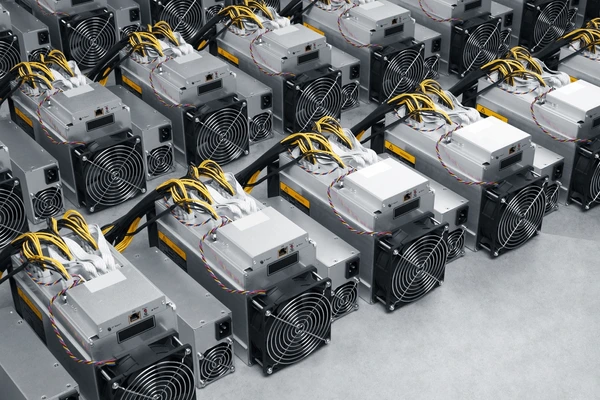
Setting up a Bitcoin mining operation requires significant investment in ASIC miners, which can cost ₹1.5 lakh to ₹15 lakh per unit, along with additional expenses for cooling systems, infrastructure, and maintenance.
For small-scale miners, the initial setup cost may range from ₹3 lakh to ₹10 lakh, while monthly electricity bills can reach ₹20,000 to ₹40,000 depending on usage. Overall, Bitcoin mining profitability in India in 2026 remains uncertain and is only viable when electricity costs are low and mining efficiency is optimized, making large-scale or industrial mining setups more practical than individual home mining.
Key Cost Factors & Estimates
Key cost factors of Bitcoin mining in India in 2026 primarily include hardware cost, electricity cost, operational expenses, and overall profitability, all of which directly impact returns.
The hardware cost is one of the biggest upfront investments, as high-performance ASIC miners typically range from ₹1.5 lakh to ₹15 lakh per unit, with additional import duties and GST increasing total expenses.
Electricity cost is the most critical ongoing factor, with Indian tariffs averaging ₹7–₹10 per kWh, contributing nearly 60%–80% of total mining costs, making power efficiency essential for profitability.
Operational costs include cooling systems, internet, maintenance, and mining pool fees, which can add ₹5,000 to ₹30,000 per month depending on scale.
When it comes to profitability, Bitcoin mining in India remains highly variable and depends on Bitcoin price, mining difficulty, and electricity rates, with small-scale miners often facing low or inconsistent returns, while large-scale setups with cheaper power access have better chances of achieving sustainable profits.
Is Bitcoin Mining Still Profitable in India?
Bitcoin mining profitability in India in 2026 is uncertain and largely depends on electricity costs, mining efficiency, and market conditions.
Due to relatively high power tariffs of ₹7–₹10 per kWh, most small-scale or home miners struggle to generate consistent profits, as electricity alone consumes a major portion of total expenses.
Additionally, rising mining difficulty and increasing competition from large international mining farms reduce earning potential.
While Bitcoin price fluctuations can temporarily improve returns, profitability is generally achievable only for large-scale operations that have access to low-cost electricity, efficient ASIC hardware, and optimized cooling systems.
For individual miners in India, Bitcoin mining is still possible but often carries high risk and lower margins, making it less attractive compared to alternative crypto investment methods like trading or staking.
How Much Money Can You Make From Mining Bitcoin in India?
The amount of money you can make from Bitcoin mining in India in 2026 depends on factors like electricity cost, mining hardware efficiency, and the price of Bitcoin, making earnings highly variable.
For a small-scale setup using one ASIC miner, monthly income typically ranges between ₹10,000 to ₹60,000, but after deducting electricity and operational expenses, actual profit can be very low or even negative in high-cost regions.
Large-scale mining operations with access to cheaper electricity and optimized infrastructure can generate higher and more stable returns, sometimes earning ₹1 lakh or more per month depending on scale and market conditions. However, rising mining difficulty and increasing competition mean that profitability is not guaranteed, and earnings fluctuate with Bitcoin price movements. Overall, while Bitcoin mining income in India is possible, it is generally more viable for industrial-scale miners rather than individual home-based setups.
Do I Need Permission To Mine Crypto?
In India in 2026, you do not need any specific government permission or license to mine cryptocurrencies like Bitcoin, as crypto mining itself is not illegal. However, miners must comply with general laws such as electricity regulations, taxation rules, and local business compliance if operating at a commercial scale.
Income generated from mining is treated as taxable under Indian law, and profits are typically subject to a 30% tax on virtual digital assets along with applicable surcharges, while certain deductions may not be allowed.
Additionally, large-scale mining setups may require approvals related to industrial electricity usage, environmental norms, or local municipal regulations depending on the location.
How Has Bitcoin Mining Profitability Changed Over Time?
Bitcoin mining profitability has changed significantly over time due to evolving technology, increasing competition, and market dynamics related to Bitcoin.
In the early years (2009–2013), mining was highly profitable because it could be done using basic CPUs and GPUs with minimal electricity costs and low network difficulty.
As Bitcoin gained popularity, mining difficulty increased and specialized ASIC hardware became necessary, raising initial investment and operational costs.
Between 2016 and 2020, profitability fluctuated with Bitcoin price cycles, while large-scale mining farms began dominating the industry due to economies of scale and access to cheaper electricity.
After the Bitcoin halving events, including the most recent cycles, mining rewards decreased, further tightening profit margins.
By 2026, profitability has become more challenging, especially in countries like India with higher electricity costs, making efficient hardware, low-cost power, and large-scale operations essential for sustainable earnings.