The two-wheeler market in India is the largest in the world, serving as the primary mode of personal transit for millions of commuters across metropolitan hubs, tier-2 towns, and rural districts.
Honda Motorcycle and Scooter India (HMSI), a wholly owned subsidiary of Japan’s Honda Motor Company, commands a dominant position in the domestic market, led by flagship products such as the Activa scooter lineup and the Shine commuter motorcycle series. Because of HMSI’s high sales volume and brand equity, automotive investors frequently research the investment capital and operational requirements to secure a Honda two-wheeler dealership.
Before preparing commercial proposals, prospective business owners must understand the automotive retail model: automobile manufacturers operate authorized primary dealerships and authorized service centers rather than standard consumer franchise models. Capital deployment is directed toward infrastructure, hydraulic workshop equipment, and wholesale vehicle inventory rather than speculative brand license fees.
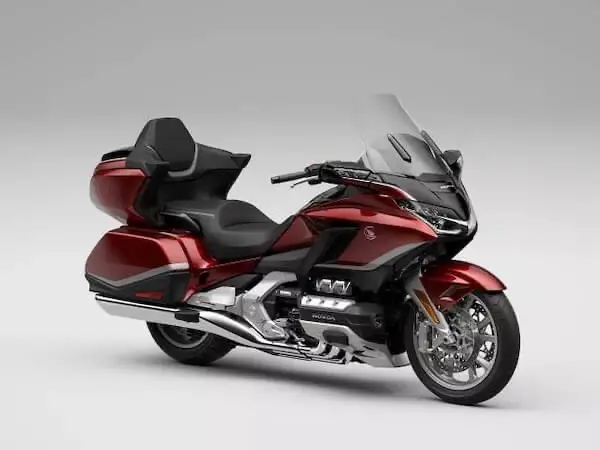
Dealership Formats: 3S Flagships vs. Rural Authorized Centers
HMSI expands its commercial sales and service presence through tiered dealership formats tailored to regional population density and vehicle catchment:
Full 3S Dealership (Sales, Service, and Spares): The standard urban and semi-urban flagship format. A 3S facility integrates a premium glass-front showroom, an automated multi-bay service workshop, an inventory storage yard, and an authorized spare parts counter. These primary dealers hold direct commercial billing accounts with HMSI.
Authorized Service Center (ASC) / Sub-Dealership: Located in smaller satellite towns or rural talukas. These secondary outlets operate under the commercial umbrella of a primary 3S main dealer, providing localized sales booking desks and routine maintenance bays with a significantly reduced capital outlay.
Honda Best Deal (Pre-Owned Two-Wheelers): An integrated certified exchange format where dealerships evaluate, refurbish, and retail certified pre-owned two-wheelers, providing warranty-backed inventory alongside new vehicle sales.
Estimated Capital Outlay & Facility Setup Breakdown
Launching a complete 3S Honda dealership requires substantial financial backing. Depending on the city tier, property status (owned vs. leased), and service bay capacity, an operational 3S center requires an investment between ₹1.13 Crore and ₹2.25 Crore.
| Investment Component | Estimated Outlay (INR) | Operational Scope & Specifications |
|---|---|---|
| Refundable Corporate Security Deposit | ₹10,00,000 – ₹15,00,000 | Interest-free refundable security deposit or Bank Guarantee (BG) submitted to HMSI |
| Showroom Civil Fit-Out & Visual ID | ₹25,00,000 – ₹45,00,000 | Standardized tile flooring, glass facade, customer lounge, reception, and exterior LED pylon signage |
| Workshop Machinery & Diagnostic Tools | ₹15,00,000 – ₹30,00,000 | Hydraulic vehicle lifts, pneumatic air lines, computerized diagnostic consoles, and exhaust extractors |
| Opening Vehicle Inventory (Bikes & Scooters) | ₹40,0,000 – ₹90,00,000 | Initial bulk vehicle stock covering fast-moving models across varied color variants (50 to 120 units) |
| Genuine Honda Spare Parts & Consumables | ₹8,00,000 – ₹15,00,000 | Mandatory opening inventory of genuine parts, lubricants, batteries, and authorized accessories |
| Working Capital & Staff Payroll Buffer | ₹15,00,000 – ₹30,00,000 | Covers showroom staff, certified mechanics, utilities, and trade advances for 90 days |
| Total Initial Capital Required | ₹1.13 Crore – ₹2.25 Crore | Excludes commercial property acquisition costs or security advances paid to landlords |
Showroom Space, Workshop Dimensions & Technical Norms
Automotive dealerships must comply with detailed technical blueprints provided by HMSI’s network development team:
Total Carpet Area: A comprehensive 3S facility demands between 3,500 and 6,000 square feet of dedicated commercial space. This is divided into roughly 1,500 to 2,000 sq. ft. for the air-conditioned customer showroom, 2,000 to 3,000 sq. ft. for the workshop and washing bay, and the remainder allocated to spare parts storage and administrative cabins.
Frontage and Accessibility: Premises require a minimum of 40 to 60 feet of direct street frontage on major arterial roads or commercial transport corridors. Direct driveway accessibility without road dividers or low-hanging trees is mandatory to facilitate vehicle delivery trailers.
Workshop Technical Infrastructure: The facility requires a minimum 3-phase commercial power load (25 kVA to 40 kVA), continuous water connection with compliant effluent treatment plant (ETP) setups for wash bays, and oil-water separation tanks to meet State Pollution Control Board guidelines.
Dealership Unit Economics: Vehicle Margins vs. Workshop Profitability
A common misconception in the automobile trade is that dealers generate their core earnings from selling new vehicles. In reality, two-wheeler dealerships operate on a blended profitability model where after-sales services provide the operational backbone:
New Vehicle Margins: Gross dealer margins on two-wheeler invoices typically range between 3% and 5.5% per vehicle. High-volume commuter models yield modest per-unit margins, while premium motorcycles offer slightly higher percentage spreads. Dealers also earn milestone volume rebates from HMSI for reaching monthly targets.
Value-Added Services (VAS): Dealerships generate predictable revenues by acting as corporate agents for two-wheeler financing institutions, third-party general insurance renewals, and extended warranty plans, earning standardized commission payouts per file.
Workshop and Genuine Spare Parts: The real profit center of a two-wheeler dealership is its workshop. Genuine spare parts and lubricants carry gross margins of 15% to 25%, while labor charges for paid vehicle servicing yield upwards of 50% to 60% gross profitability. High service-bay utilization cushions the business during slow vehicle sales cycles.
After factoring in commercial lease costs, mechanical technician wages, electricity, and local promotions, an established 3S dealership handling healthy vehicle and service volumes typically achieves an overall net profit margin of 2.5% to 4.5% on total gross turnover, with complete capital recovery spanning 3 to 5 years.
Investment Comparison: HMSI vs. Major Two-Wheeler Competitors
Evaluating financial metrics across leading two-wheeler brands helps contextualize HMSI’s market positioning and return profile:
| Automobile Manufacturer | Primary Market Strength | Estimated Setup Capital | Typical Space Needed |
|---|---|---|---|
| Honda Motorcycle & Scooter (HMSI) | Dominant Scooter Share & Refined Commuters | ₹1.2 Crore – ₹2.5 Crore | 3,500 – 6,000 sq. ft. |
| Hero MotoCorp | Rural Distribution & Commuter Volume | ₹1.0 Crore – ₹2.2 Crore | 3,000 – 5,500 sq. ft. |
| Bajaj Auto | Performance Motorcycles & Export Base | ₹1.1 Crore – ₹2.3 Crore | 3,000 – 5,000 sq. ft. |
| TVS Motor Company | Balanced Moped, Scooter & Premium Lineup | ₹1.0 Crore – ₹2.0 Crore | 3,000 – 5,000 sq. ft. |
To compare commercial vehicle and equipment dealership structures, explore our in-depth analysis on the Daikin Dealership Model or examine specialized logistics networks in our DHL Service Center Guide.
Consumer Advisory: Protecting Yourself Against Dealership Phishing Scams
Due to the prestige of the Honda brand, organized online fraud syndicates routinely operate fake websites targeting prospective dealers:
Fraudsters create unauthorized web domains mimicking HMSI’s corporate portal, run search engine ads, and invite dealership applications. Once an inquiry is submitted, victims receive forged “Dealership Letters of Intent” bearing copied signatures. The scammers then demand “file processing fees,” “territory verification charges,” or “initial allotment deposits” ranging from ₹1,00,000 to ₹5,00,000 paid to personal savings accounts or via UPI.
Honda Motorcycle and Scooter India never solicits dealership registration fees or security deposits into personal individual accounts or through UPI. Official dealer appointments follow a rigorous evaluation by regional sales offices, including face-to-face interviews and corporate financial audits.
Step-by-Step Guide to Inquire Officially with HMSI
- Access the Official Channel: Visit HMSI’s verified corporate website and navigate to the dealer appointment portal or commercial inquiry section.
- Submit Business & Property Documentation: Present audited balance sheets, net worth certificates from a chartered accountant, municipal title deeds of the proposed commercial property, and site blueprints.
- Territory Catchment Survey: HMSI’s zonal network development team inspects the commercial property to evaluate vehicle traffic, turning radius, distance from existing dealers, and local purchasing power.
- Management Presentation & Contract: Shortlisted applicants present their business plan at the regional zonal office. Following final approval, commercial agreements are signed, security deposits are deposited through corporate banking routes, and architectural showroom fit-out commences.
Disclaimer: Cost Guide India is an independent research and market analysis platform. We are not affiliated with, sponsored by, or associated with Honda Motor Co., Ltd. or Honda Motorcycle and Scooter India (HMSI). Setup estimates, margin structures, and commercial terms cited are compiled from automotive industry benchmarks and public commercial trade filings for educational purposes.