An Angel One franchise in India costs ₹3,00,000–₹10,00,000 in 2026, depending on franchise model, city tier, office setup, staffing, and marketing scale. Angel One operates through a Sub-Broker / Authorized Person (AP) model, not a traditional retail franchise. The refundable security deposit typically ranges ₹50,000–₹1,00,000, while initial setup including office space, furniture, computers, internet, and basic branding require ₹1,00,000–₹4,00,000.
Marketing, client acquisition, and working capital require ₹50,000–₹2,00,000. Monthly operating expenses including rent, staff salaries, utilities, and promotions range ₹30,000–₹1,50,000. Most Angel One partners achieve profitability within 3–9 months, especially in urban and semi-urban locations with active retail investors. Angel One franchise cost in India ranges ₹3 lakh–₹10 lakh in 2026. Learn sub-broker fees, deposit, office setup, profit sharing, income potential, and total investment.
Total Cost Breakdown of Angel One Franchise in India (2026)
Angel One is one of India’s leading stockbroking companies, offering services such as equity trading, derivatives, commodities, mutual funds, IPOs, bonds, and portfolio management. Instead of a traditional retail franchise, the company expands through its Authorized Person (AP) or Sub-Broker model.
This allows individuals and businesses to onboard clients and earn a share of the brokerage revenue. The investment required depends on factors such as office setup, marketing budget, staffing, and business scale. Angel One supports its partners with advanced trading platforms, mobile apps, research reports, training programs, compliance assistance, and strong brand recognition.
The total investment to start an Angel One franchise business generally ranges from ₹3 lakh to ₹10 lakh, with the main expenses including the security deposit, office setup, marketing, and working capital.
Angel One Franchise Model Explained
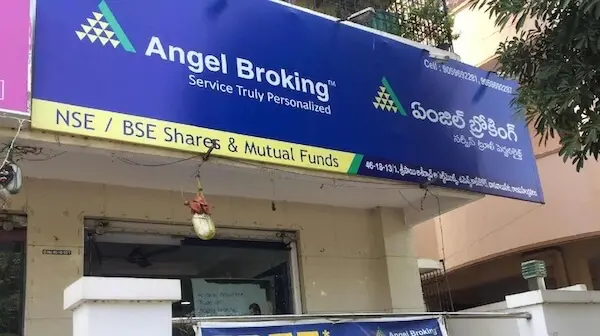
Angel One does not offer a traditional retail franchise like a restaurant or retail store. Instead, it operates through the Authorized Person (AP) or Sub-Broker model regulated by the Securities and Exchange Board of India (SEBI). As an Authorized Person, your primary responsibility is to acquire clients, help them open trading and demat accounts, and provide investment support.
Angel One manages the trading platform, technology infrastructure, compliance requirements, account settlement, and backend operations. This allows partners to focus on growing their client base without worrying about technical operations.
Registration Fee & Security Deposit
To become an Angel One Authorized Person, applicants are generally required to submit a refundable security deposit. The deposit usually ranges from ₹50,000 to ₹1 lakh, depending on the partnership agreement and business model. Unlike many franchise businesses, Angel One does not charge a large non-refundable franchise fee.
Since the deposit is generally refundable after the agreement ends, subject to company terms and outstanding obligations, the financial risk of entering the business remains relatively low.
Office Setup, Furniture & Technology Cost
Although operating from a commercial office is not compulsory, having a professional workspace helps build trust with clients. Office setup costs generally range from ₹1 lakh to ₹4 lakh, depending on the location and office size.
This investment includes furniture, computers, laptops, printers, internet connectivity, office branding, and customer seating. Many new partners begin from a home office or a small shared workspace to reduce initial expenses and later expand as their client base grows.
Licensing, Registration & Compliance Expenses
Starting an Angel One franchise business also involves registration and compliance costs. These expenses generally range from ₹10,000 to ₹30,000. The amount covers Authorized Person registration, agreement documentation, KYC formalities, and other regulatory requirements.
Angel One assists applicants throughout the registration process, making it easier to complete the required documentation and comply with SEBI guidelines.
Marketing, Branding & Client Acquisition Cost
Marketing is one of the most important investments for an Angel One partner because income depends on acquiring and retaining active clients. Most partners spend between ₹50,000 and ₹2 lakh on marketing during the initial stages. This budget may include digital advertising, social media campaigns, local seminars, investor awareness programs, referral incentives, and networking events.
Building strong relationships and providing quality financial guidance often reduce customer acquisition costs over time and generate valuable referrals.
Rent & Location-Based Cost Differences
Angel One partners can operate from small commercial offices or even residential workspaces, depending on local regulations and business needs. Monthly rent generally ranges from ₹10,000 to ₹60,000, depending on the city and office location. Tier-1 cities have higher rental costs but offer access to a larger investor base.
Tier-2 and Tier-3 cities require lower investment while benefiting from increasing interest in stock market investing and financial products.
Staff Salaries & Workforce Requirements
Staffing requirements depend on the number of clients and the services offered. A small office may initially be managed by the owner alone, while larger businesses often hire relationship managers, customer support executives, and investment advisors.
Monthly salary expenses generally range from ₹15,000 to ₹80,000. Relationship managers typically earn ₹15,000 to ₹30,000 per month, while experienced advisors may receive higher salaries or performance-based incentives.
Technology, Software & Trading Platform Support
One of the biggest advantages of partnering with Angel One is access to its advanced technology platform. The company provides mobile trading applications, web-based trading platforms, CRM tools, portfolio management systems, research reports, and client management software.
Partners usually do not pay separate software licensing fees because these tools are included as part of the partnership. This significantly reduces technology costs and allows franchise partners to focus on business growth.
Monthly Operating Expenses
Monthly operating costs for an Angel One franchise business are relatively low compared to traditional retail franchises. Internet, telephone, and utility expenses generally range from ₹3,000 to ₹10,000 per month. Office maintenance and miscellaneous expenses usually add another ₹2,000 to ₹8,000 monthly. Marketing remains the largest recurring expense, especially for partners actively expanding their client base.
Revenue Model & Commission Structure
Angel One follows a revenue-sharing model in which partners earn a percentage of the brokerage generated by their clients. Commission rates generally range from 30% to 60%, depending on the partnership agreement, business performance, and trading activity.
As the number of active clients increases, brokerage income grows steadily. Partners can also increase their earnings by offering multiple financial products and maintaining long-term relationships with investors.
Products & Services Offered
Angel One partners can offer a wide range of financial products and investment services to their clients. These include equity delivery, intraday trading, futures and options (F&O), commodities, currencies, mutual funds, IPOs, bonds, insurance products, and other investment solutions. Providing multiple financial products helps diversify revenue and encourages long-term customer retention.
Profit Margin & Monthly Income Potential
The earning potential of an Angel One Authorized Person depends on the number of active clients, trading volume, and quality of service. Many active partners earn a net monthly income of ₹30,000 to ₹2.5 lakh.
Experienced partners with a large client base and high brokerage turnover can earn ₹5 lakh or more per month. Since brokerage income is recurring, profitability generally improves as the client portfolio grows over time.
Break-Even Period
Angel One offers one of the fastest break-even periods among financial business opportunities. Most partners recover their initial investment within 3 to 9 months, depending on how quickly they acquire clients and generate brokerage revenue. In cities with strong retail investor participation, the break-even period may be even shorter. As the client base expands, recurring brokerage income continues to improve long-term returns.
City-Wise Business Opportunity
Business potential varies across different cities. Metro cities offer access to a large number of investors but also have intense competition among brokerage firms. Tier-1 cities provide a balanced combination of business opportunities and operating costs. Tier-2 and Tier-3 cities are witnessing rapid growth in retail investing, making them attractive markets with lower competition and relatively affordable operating expenses.
Risks & Challenges
Like any financial services business, an Angel One franchise also comes with certain risks. Income is directly linked to client activity and trading volume, so there is no guaranteed monthly earning. Market volatility can reduce trading activity and affect brokerage income.
Building customer trust, maintaining regulatory compliance, and providing quality financial advice are essential for long-term success. Competition from other brokerage firms and discount brokers also requires continuous client engagement.
Who Should Start an Angel One Franchise?
This business is suitable for stock market professionals, financial advisors, relationship managers, insurance consultants, and entrepreneurs interested in financial services. Individuals with strong communication skills, a local business network, and an interest in investing are more likely to succeed. The business is also ideal for those looking for a scalable opportunity with relatively low investment.
Who Should Avoid This Business?
An Angel One franchise may not be suitable for people expecting a fixed monthly income without business development efforts. It is also not ideal for individuals who are unwilling to market their services, acquire new clients, or stay updated with financial markets. Investors looking for a completely passive business model may find this opportunity unsuitable because consistent client engagement is necessary.
Total Estimated Cost for Angel One Franchise Launch
Angel One remains one of the most affordable financial partnership opportunities available in India. The total startup investment generally ranges from ₹3 lakh to ₹10 lakh, depending on office size, marketing strategy, and business scale.
Annual operating expenses are typically estimated between ₹2.5 lakh and ₹12 lakh, based on staffing, rent, and promotional activities. Since expansion mainly depends on acquiring more clients rather than investing in additional infrastructure, the business offers excellent scalability with relatively low capital requirements.
FAQ about Angel One Franchise Cost in India
Q. Is Angel One a franchise or sub-broker model?
A. Angel One operates through a SEBI-registered Authorized Person (Sub-Broker) model, not a retail franchise.
Q. How much investment is required to start Angel One franchise in 2026?
A. The total investment ranges ₹3 lakh–₹10 lakh, depending on office and marketing scale.
Q. Is Angel One franchise profitable?
A. Yes, active partners earn ₹30,000–₹2.5 lakh per month, while experienced partners earn much more.
Q. Is the security deposit refundable?
A. Yes, the deposit is refundable upon exit, subject to agreement terms.
Q. How long does it take to break even?
A. Most partners achieve break-even within 3–9 months, depending on client acquisition speed.