Entering the branded retail domain in India demands a clear distinction between contractual franchise agreements and product distributorships. While generic business listings often quote standard investment slabs ranging between ₹10 lakh and ₹25 lakh for a Boston and Co retail unit, committing capital requires a nuanced examination of store fit-outs, inventory cycles, and underlying licensing structures.
Commercial viability in high-density shopping districts hinges not on superficial brand visibility, but on strict unit economics, footfall conversion ratios, and accurate working capital reserves.
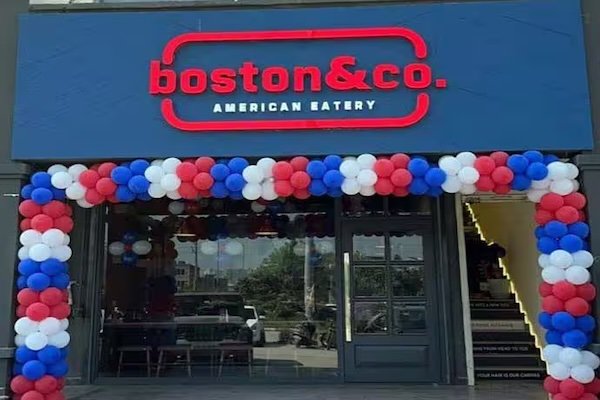
Brand Clarification & Market Identity: Retail applicants should explicitly confirm brand trademark registration before signing any commercial paperwork. Depending on regional filings, the trade name “Boston & Co.” operates across distinct sectors in India—predominantly established in fast-casual food and beverage hospitality (artisanal pizza and quick-service operations) alongside regional fashion apparel lines.
Ensure your prospectus matches the exact corporate entity holding statutory rights to the trademark.
Demystifying the “Franchise Fee” Trap: Business Models Explained
A widespread pitfall among first-time entrepreneurs is treating upfront brand fees as a prerequisite for retail partnership. Many emerging apparel and lifestyle brands do not operate under a conventional Franchise-Owned, Franchise-Operated (FOFO) licensing structure with non-refundable entry charges.
Instead, they operate via Wholesale Distributorships, Consignment Agreements, or Company-Owned, Company-Operated (COCO) property leases. If a brand offers you a pure distributorship or a dealer agreement, paying a separate “franchise fee” is often an unnecessary financial drain that inflates setup costs without adding brand value.
In a standard Wholesale or Distributorship arrangement, the principal company makes its margin directly on the discounted supply of stock (usually 35% to 45% off Maximum Retail Price). In return, the retailer bears the interior build-out cost, localized utility expenses, and unsold inventory risks. Conversely, managed concession or revenue-share models require substantial security deposits rather than flat franchise onboarding fees.
Prospective franchise partners must examine whether the quoted upfront payment yields intellectual property exclusivity and genuine operational support, or simply inflates corporate receivables.
Investor Scam Advisory: Beware Fake Franchise Allotment Portals
The Ministry of Corporate Affairs and Indian cybercrime cells regularly issue advisories regarding fraudulent intermediary websites posing as master franchise portals for trendy Western-sounding lifestyle brands. Unscrupulous operators issue fake “Letters of Intent” (LOIs), requesting registration fees between ₹25,000 and ₹2,00,000 into personal or non-corporate UPI accounts.
Always verify corporate bank accounts against active MCA records (CIN and GSTIN), inspect operational physical stores in person, and never disburse setup funds through unverified intermediary portals.
Comprehensive CapEx & OpEx Budget Breakdown
Developing an attractive retail store layout requires capital allocation tailored to the physical condition of the leased shell. Bare-shell commercial spaces require MEP (mechanical, electrical, plumbing) work, dedicated display racking, cash counters, fitting rooms, and standardized HVAC installations.
The table below outlines an authentic capital expenditure (CapEx) and operational expenditure (OpEx) estimate for establishing an organized 350 to 600 sq. ft. commercial retail footprint.
| Expense Category | Estimated Allocation | Commercial Scope & Deliverables |
|---|---|---|
| Brand Fee / Security Deposit | ₹2,00,000 – ₹4,00,000 | Refundable caution deposit or brand onboarding fee (subject to model). |
| Store Architecture & Fit-Outs | ₹5,00,000 – ₹9,00,000 | Signage, modular display units, track lighting, trial rooms, POS counters, and flooring (₹1,400–₹1,800/sq.ft). |
| Initial Merchandise Inventory | ₹5,00,000 – ₹8,00,000 | Core seasonal SKU assortment, core sizing runs, and presentation depth. |
| Commercial Security Deposit | ₹1,50,000 – ₹6,00,000 | 3 to 6 months of commercial rental advance (varies significantly by Tier-1 vs Tier-2 high street). |
| Hardware & IT Systems | ₹75,000 – ₹1,50,000 | Billing POS terminal, barcode/RFID scanners, cloud accounting software, and security CCTV. |
| Working Capital Reserve | ₹2,50,000 – ₹4,50,000 | Mandatory 3 to 6-month buffer for staff wages, electricity tariffs, and seasonal restocks. |
| Total Estimated Project Outlay | ₹16,75,000 – ₹33,00,000 | Realistic end-to-end capitalization for an operational retail footprint. |
Operating Margins, Markdowns, and Working Capital Realities
Headline gross margins in lifestyle retail typically hover between 40% and 55% at the bill-of-materials stage. However, an investor’s net realization is markedly lower once dead stock, end-of-season sales (EOSS), and store overheads take effect. In modern apparel merchandising, as much as 20% to 30% of seasonal volume sells at discounted rates (20% to 50% off tag price), compressing blended gross margins closer to 28% to 36%.
From this blended margin, the business must absorb retail occupancy costs (ideally kept below 15% to 18% of monthly gross revenues), payroll for 2–3 sales associates, high commercial electricity tariffs from air conditioning and specialized lighting, card processing fees, and local marketing.
Under typical operating conditions, a healthy store yields a realistic net operating margin of 10% to 16%. Any financial model guaranteeing fixed monthly paybacks or net margins exceeding 25% should be scrutinized with skepticism.
Location Economics: High Street vs. Shopping Malls
The commercial success of a lifestyle outlet depends almost entirely on the rental structure negotiated with the landlord.
In Tier-1 metros such as Mumbai, Delhi, and Bengaluru, premium high streets demand fixed rentals running between ₹150 and ₹350 per square foot, which rapidly strains profitability during off-peak seasonal cycles. Unless a store generates predictable month-on-month turnover, fixed high-rent commitments can consume all operating surplus.
Conversely, regional high streets and Tier-2 retail hubs (such as Chandigarh, Jaipur, Lucknow, or Coimbatore) present more sustainable operational conditions. Rental outlays in these markets typically range from ₹60 to ₹130 per square foot, offering wider room to absorb working capital fluctuations while catering to growing consumer demand for branded lifestyle goods.
Investors negotiating mall leases must also account for Common Area Maintenance (CAM) charges, which routinely add ₹20 to ₹60 per square foot above baseline rent.
Related Franchise Audits:
Boston Bites Franchise Cost in India (2026)
Contractual Checklist and Due Diligence Protocol
Before executing any binding agreement or transferring project mobilization advances, prospective operators should conduct systematic legal and commercial diligence:
First, verify the brand’s legal standing by cross-referencing their registered entity on the Ministry of Corporate Affairs (MCA) database and examining the status of their trademark class on the Intellectual Property India portal. Unregistered trademarks or disputes can lead to forced mid-lease rebranding that destroys local equity.
Second, demand written contractual clarity on inventory repurchase policies (SOR or Sale or Return terms). If the brand supplies stock on an outright purchase basis, you bear the total cost of outdated collections and unsold sizes. Ensure your agreement defines liquidation provisions, vendor discounts, and return thresholds for dead inventory.
Third, clarify the territorial exclusivity radius. Your commercial contract must guarantee that neither the principal brand nor a competing franchise partner can establish another outlet or authorized concession counter within an agreed radial distance (typically 3 to 5 kilometers in dense urban trade zones), safeguarding your local customer base.