Ather Battery Replacement Cost in India [2026]
The battery replacement cost of Ather Energy scooters in India in 2026 is an important factor for EV buyers, as the battery is the most expensive component of an electric scooter.
For popular models like the Ather 450X, Ather 450 Plus, and Ather Rizta, the battery replacement cost typically ranges between ₹60,000 to ₹1,10,000 depending on battery capacity, warranty status, and service location.
The Ather 450X Gen 3 and Gen 4 models, which come with larger lithium-ion battery packs (around 2.9 kWh to 3.7 kWh), usually have higher replacement costs compared to older models like the Ather 450 Plus.
Meanwhile, the newer family scooter Ather Rizta is expected to have a similar or slightly optimized battery pricing due to improved battery technology and efficiency.
Ather also offers battery warranty coverage of up to 5 years or 60,000 km, which can significantly reduce replacement expenses if issues occur within the warranty period.
Additionally, the company provides extended warranty plans and battery health monitoring through its smart dashboard and mobile app, helping users track performance and longevity. Factors such as charging habits, climate conditions in India, and riding usage can impact battery life, typically lasting 5–7 years before replacement is needed.
For cost-conscious buyers, Ather’s battery subscription model (in select plans) can lower upfront costs and shift battery ownership expenses.
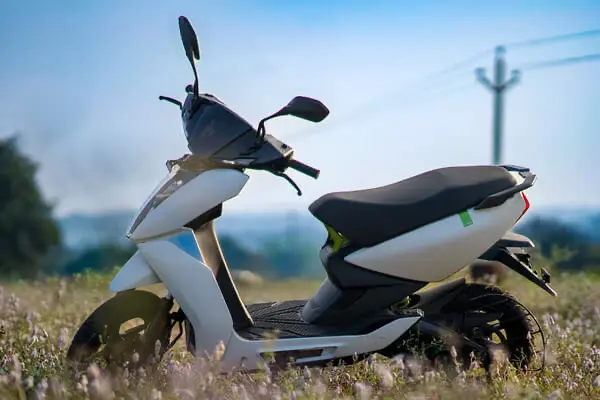
Bajaj Chetak Battery Cost in India [2026]
The battery replacement cost of the Bajaj Chetak Electric in India in 2026 is a crucial consideration for electric scooter buyers, as the lithium-ion battery is the most expensive component of the vehicle.
Based on the latest market estimates, the battery replacement cost for Bajaj Chetak models typically ranges between ₹70,000 and ₹75,000 for standard variants like Chetak 3001, Chetak 3501, Chetak 3502, and Chetak 3503, which use battery packs between 3.0 kWh and 3.5 kWh.
In some extreme cases, especially when replacing a fully damaged battery outside warranty, the cost can go up to around ₹1,00,000–₹1,12,000 depending on service charges, location, and battery condition.
Newer and entry-level models like the Chetak C2501 are expected to have slightly optimized battery costs due to improved battery efficiency and cost control strategies by the manufacturer.
Bajaj typically offers a standard battery warranty of around 3 years, which can be extended up to 5 years, helping reduce replacement expenses if battery degradation occurs early.
The actual battery life of a Bajaj Chetak scooter usually ranges between 5 to 7 years depending on usage, charging habits, and environmental conditions in India. Factors like frequent fast charging, extreme heat, and deep discharge cycles can impact battery health and increase the likelihood of early replacement.
Compared to petrol scooters, even with battery replacement, the overall running cost of the Chetak EV remains significantly lower due to minimal electricity and maintenance expenses.
TVS Electric Scooter Battery Cost in India in 2026
The battery replacement cost of TVS electric scooters in India in 2026 is a key factor for buyers evaluating long-term ownership costs, especially as the battery is the most expensive component in an EV.
Popular models like the TVS iQube Electric, TVS iQube S, and TVS iQube ST come equipped with lithium-ion battery packs ranging from around 2.2 kWh to 5.1 kWh depending on the variant.
The battery replacement cost for TVS iQube models typically falls between ₹50,000 and ₹1,20,000, with the standard iQube (2.2 kWh) on the lower end and the high-capacity iQube ST (5.1 kWh) on the higher end due to its larger battery size and extended range capabilities.
TVS Motor Company generally offers a battery warranty of 3 years or around 50,000 km, which can be extended up to 5 years, providing financial protection against early battery degradation. The expected battery lifespan of TVS electric scooters is approximately 5 to 7 years, depending on riding patterns, charging habits, and Indian climate conditions such as high temperatures and humidity.
Factors like frequent fast charging, deep discharging, and improper maintenance can reduce battery efficiency and increase replacement frequency.
Additionally, TVS provides smart connectivity features through its app, allowing users to monitor battery health, charge cycles, and performance in real time.
Compared to petrol scooters, even with battery replacement costs, TVS electric scooters remain highly economical due to significantly lower running and maintenance expenses.
Hero Electric Scooter Battery Cost in India in 2026
The battery replacement cost of Hero electric scooters in India in 2026 is a key consideration for EV buyers, especially as battery technology continues to evolve with better efficiency and flexible ownership models.
Popular models from Hero MotoCorp such as the Hero Vida V1 Pro, Hero Vida V1 Plus, and newer Hero Vida VX2 come equipped with lithium-ion battery packs ranging between approximately 2.2 kWh to 3.9 kWh. The battery replacement cost for these Hero electric scooter models typically falls in the range of ₹60,000 to ₹1,10,000 depending on battery capacity, variant, and service center charges. This aligns with the broader Indian EV market, where most electric scooter battery replacements cost between ₹45,000 and ₹1,20,000 in 2026.
For entry-level Hero electric scooters with smaller battery packs (around 2.2 kWh), the replacement cost is usually on the lower side (₹60,000–₹75,000), while premium variants like Vida V1 Pro or VX2 with higher capacity batteries can cost ₹90,000 to ₹1,10,000 due to extended range and advanced battery management systems. Hero has also introduced innovative Battery-as-a-Service (BaaS) models under its VIDA lineup, allowing users to subscribe to battery usage instead of buying it outright, which significantly reduces upfront and replacement costs over time.
In terms of durability, Hero electric scooter batteries typically last around 5 to 8 years or 50,000 to 80,000 km depending on riding conditions, charging habits, and environmental factors such as high Indian temperatures. The company generally offers a standard battery warranty of 3 years, extendable up to 5 years, which helps minimize replacement expenses during the initial ownership period. Additionally, Hero’s smart connectivity features allow riders to monitor battery health, charge cycles, and performance, ensuring better maintenance and longevity.
Factors such as frequent fast charging, deep discharge cycles, and exposure to extreme heat can impact battery performance and increase replacement frequency. However, despite the battery replacement cost, Hero electric scooters remain highly economical compared to petrol scooters due to significantly lower running costs and maintenance expenses.
If you’re a businessman and want to start your own battery business, check out Amara Raja Dealership/Franchise as well as Exide Franchise/Dealership.
OLA Electric Scooter Battery Cost in India in 2026
The battery replacement cost of OLA electric scooters in India in 2026 is a major factor for buyers considering long-term ownership, as the lithium-ion battery pack is the most expensive component of any EV. Popular models from Ola Electric such as the Ola S1 Air, Ola S1 X, Ola S1 Pro, and Ola S1 Pro Gen 2 come with battery capacities ranging from around 2 kWh to 4 kWh.
The battery replacement cost for these OLA scooters typically ranges between ₹65,000 and ₹1,30,000 depending on the variant, battery size, and service-related charges.
Entry-level models like the Ola S1 Air and S1 X (2 kWh–3 kWh battery) usually have lower replacement costs of around ₹65,000 to ₹90,000, while premium models like the Ola S1 Pro and S1 Pro Gen 2 with larger 4 kWh battery packs can cost between ₹1,00,000 and ₹1,30,000 due to their higher energy capacity and longer range capabilities.
OLA Electric generally provides a standard battery warranty of 3 years, which can be extended up to 8 years through additional warranty packages, offering significant protection against early battery degradation.
The typical battery lifespan of OLA electric scooters is around 5 to 7 years, depending on usage patterns, charging habits, and environmental factors such as high temperatures in India. Frequent fast charging, over-discharging, and improper storage can reduce battery health and lead to earlier replacement needs.
OLA also offers smart connectivity features through its mobile app, allowing users to track battery performance, charge cycles, and health status in real time.
Despite the relatively high battery replacement cost, OLA electric scooters remain cost-effective compared to petrol vehicles due to lower running costs, minimal maintenance, and government incentives on EVs.